

Carbon steel is one of the most widely used materials in various industries due to its excellent properties, such as strength, durability, and affordability. As a carbon steel supplier, I often receive questions from customers about the recyclability of carbon steel. In this blog post, I will explore the topic of whether carbon steel is recyclable, the recycling process, and the benefits of recycling carbon steel.
Is Carbon Steel Recyclable?
The short answer is yes, carbon steel is highly recyclable. In fact, it is one of the most recycled materials in the world. The recyclability of carbon steel stems from its chemical composition and physical properties. Carbon steel is primarily composed of iron and carbon, with small amounts of other elements such as manganese, silicon, and sulfur. These elements can be easily separated and reused during the recycling process.
Recycling carbon steel not only conserves natural resources but also reduces energy consumption and greenhouse gas emissions. According to the World Steel Association, recycling steel saves approximately 74% of the energy required to produce new steel from iron ore. Additionally, recycling steel reduces carbon dioxide emissions by about 86% compared to producing new steel.
The Recycling Process of Carbon Steel
The recycling process of carbon steel involves several steps, including collection, sorting, processing, and melting. Here is a detailed overview of each step:
Collection
The first step in the recycling process is to collect scrap carbon steel from various sources. Scrap carbon steel can come from a wide range of products, including old buildings, bridges, vehicles, appliances, and industrial equipment. Collection methods can vary depending on the source of the scrap, but common methods include curbside recycling, industrial scrap collection, and salvage operations.
Sorting
Once the scrap carbon steel is collected, it is sorted to remove any non - ferrous materials, such as aluminum, copper, and plastic. Sorting is typically done using magnetic separators, which can easily separate ferrous materials (including carbon steel) from non - ferrous materials. Other sorting methods, such as eddy current separators and optical sorting systems, may also be used to further refine the scrap.
Processing
After sorting, the scrap carbon steel is processed to prepare it for melting. This may involve shredding, shearing, or baling the scrap to reduce its size and increase its density. Processing the scrap also helps to remove any contaminants, such as paint, rust, and grease.
Melting
The final step in the recycling process is to melt the processed scrap carbon steel in a furnace. Electric arc furnaces (EAFs) are commonly used for melting scrap carbon steel. In an EAF, an electric current is passed through electrodes to generate intense heat, which melts the scrap steel. Once the scrap is melted, it can be refined and cast into new steel products, such as bars, sheets, and pipes.
Benefits of Recycling Carbon Steel
Recycling carbon steel offers numerous benefits for the environment, the economy, and society. Here are some of the key benefits:
Environmental Benefits
- Resource Conservation: Recycling carbon steel conserves natural resources by reducing the need for mining and extracting iron ore. This helps to preserve valuable minerals and reduce the environmental impact of mining operations.
- Energy Savings: As mentioned earlier, recycling steel saves a significant amount of energy compared to producing new steel from iron ore. This reduces the consumption of fossil fuels and helps to mitigate climate change.
- Reduced Emissions: Recycling carbon steel also reduces greenhouse gas emissions, air pollutants, and water pollution associated with the production of new steel. This helps to improve air and water quality and protect the environment.
Economic Benefits
- Cost Savings: Recycling carbon steel is often more cost - effective than producing new steel from virgin materials. This is because the cost of collecting, sorting, and processing scrap steel is generally lower than the cost of mining, refining, and smelting iron ore.
- Job Creation: The recycling industry creates jobs in various sectors, including collection, sorting, processing, and manufacturing. These jobs range from entry - level positions to highly skilled technical and managerial roles.
Social Benefits
- Waste Reduction: Recycling carbon steel helps to reduce the amount of waste sent to landfills and incinerators. This not only conserves landfill space but also reduces the environmental and health risks associated with waste disposal.
- Community Engagement: Recycling programs encourage community participation and raise awareness about the importance of environmental conservation. This can help to build stronger, more sustainable communities.
Types of Recyclable Carbon Steel Products
As a carbon steel supplier, I offer a wide range of carbon steel products, all of which are recyclable. Some of the common types of carbon steel products include:
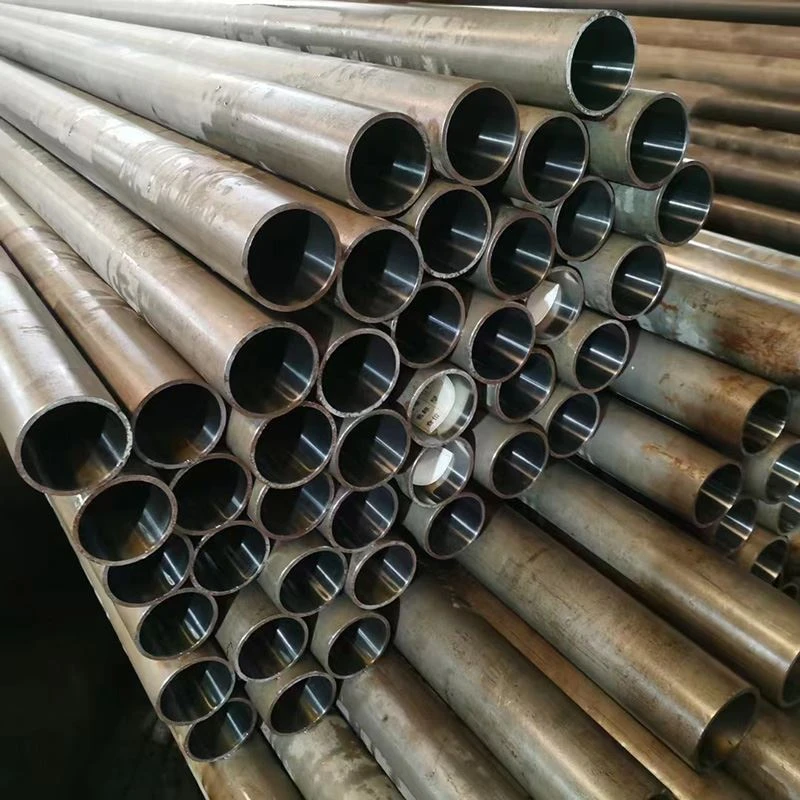
- Q345B Carbon Steel Pipe: This type of carbon steel pipe is widely used in construction, machinery manufacturing, and other industries due to its high strength and good weldability.
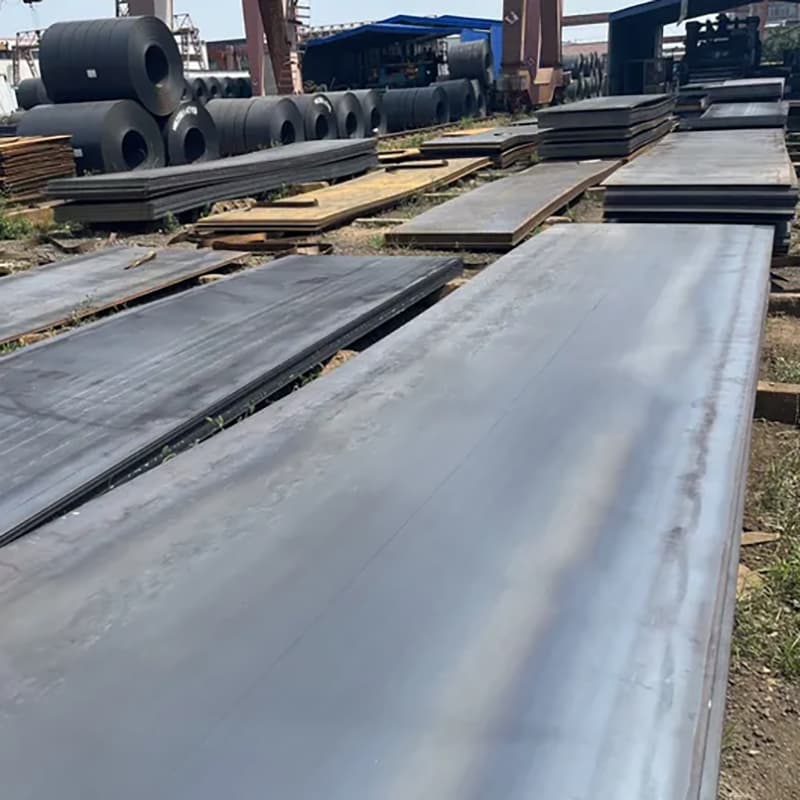
- Q195 Carbon Steel Sheet/Plate: Q195 carbon steel sheets and plates are commonly used in the production of thin - walled products, such as containers, cabinets, and automotive parts.
- 45# Carbon Steel Sheet/Plate: 45# carbon steel is a medium - carbon steel with good strength, toughness, and wear resistance. It is often used in the manufacture of machinery parts, such as gears, shafts, and bolts.
- Q275 Carbon Steel Sheet/Plate: Q275 carbon steel sheets and plates have higher strength than Q195 carbon steel and are suitable for applications that require greater load - bearing capacity, such as structural components in buildings and bridges.
- Q345B Carbon Steel Sheet/Plate: Similar to the Q345B carbon steel pipe, the Q345B carbon steel sheet/plate is widely used in various industries due to its excellent mechanical properties.
Conclusion
In conclusion, carbon steel is highly recyclable, and the recycling process offers numerous environmental, economic, and social benefits. As a carbon steel supplier, I am committed to promoting the recycling of carbon steel and providing our customers with high - quality, recyclable carbon steel products. Whether you are in the construction, manufacturing, or any other industry that uses carbon steel, choosing recyclable carbon steel is a smart and sustainable choice.
If you are interested in purchasing our carbon steel products or have any questions about carbon steel recycling, please feel free to contact us. We look forward to working with you and helping you meet your carbon steel needs.
References
- World Steel Association. (2023). Steel Recycling Facts.
- American Iron and Steel Institute. (2023). Recycling in the Steel Industry.