

As a seasoned supplier in the PPGI and GI market, I've witnessed firsthand the increasing demand for materials with superior anti - slip properties. This blog post delves into the intricacies of the anti - slip characteristics of PPGI (Pre - Painted Galvanized Iron) and GI (Galvanized Iron).
Understanding PPGI and GI
PPGI is a type of steel sheet that is first galvanized and then coated with a layer of paint. This painting process not only enhances the aesthetic appeal but also provides additional protection against corrosion. The paint layer can come in a variety of colors and finishes, making PPGI a popular choice for architectural and decorative applications. You can find more information about PPGI on our website PPGI.
On the other hand, GI is steel that has been coated with a layer of zinc through a hot - dip galvanizing process. The zinc coating acts as a sacrificial anode, protecting the underlying steel from rust and corrosion. GI is widely used in various industries, including construction, automotive, and manufacturing.
Factors Affecting Anti - Slip Properties
Surface Texture
One of the most significant factors influencing the anti - slip properties of PPGI and GI is the surface texture. A rough surface provides more friction, which in turn reduces the risk of slipping. For PPGI, the paint layer can be treated to create a textured finish. This can be achieved through techniques such as embossing or adding anti - slip particles to the paint.
In the case of GI, the galvanizing process can also result in a slightly rough surface due to the formation of zinc crystals. However, if a higher level of anti - slip performance is required, additional surface treatments can be applied. For example, sandblasting can be used to increase the surface roughness of GI sheets.
Coating Thickness
The thickness of the coating also plays a crucial role in anti - slip properties. In PPGI, a thicker paint coating can provide better protection and potentially enhance the anti - slip characteristics if it is textured. A thin coating may wear off more quickly, reducing the friction and anti - slip ability over time.
For GI, the zinc coating thickness affects its durability and anti - slip performance. A thicker zinc coating can resist scratches and abrasions better, maintaining the surface roughness and thus the anti - slip properties. However, it is important to find the right balance, as an overly thick coating may cause other issues such as cracking or peeling.
Environmental Conditions
The environment in which PPGI and GI are used has a significant impact on their anti - slip properties. In wet or oily conditions, the friction between the surface and the contact object is greatly reduced, increasing the risk of slipping.
For PPGI, some paint formulations are designed to perform better in wet conditions. These paints can have hydrophobic properties, which means they repel water and reduce the likelihood of a slippery surface. GI can also be treated with special coatings or additives to improve its anti - slip performance in wet environments.
In addition, temperature can affect the anti - slip properties. Extreme cold or hot temperatures can cause the materials to expand or contract, which may change the surface texture and friction coefficient.
Anti - Slip Applications of PPGI and GI
Construction Industry
In the construction industry, PPGI and GI are used in a variety of anti - slip applications. GI Roofing Steel Sheet is often used in roofing systems. A roof with good anti - slip properties is essential for workers during installation and maintenance. The anti - slip surface of the GI roofing sheets helps prevent accidents due to slipping, ensuring the safety of the workers.
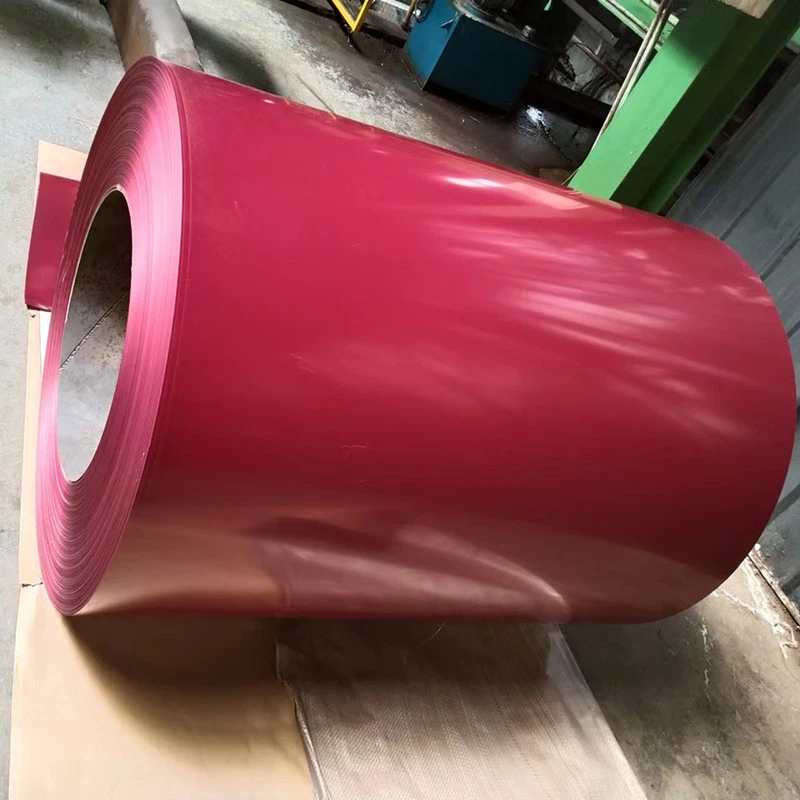
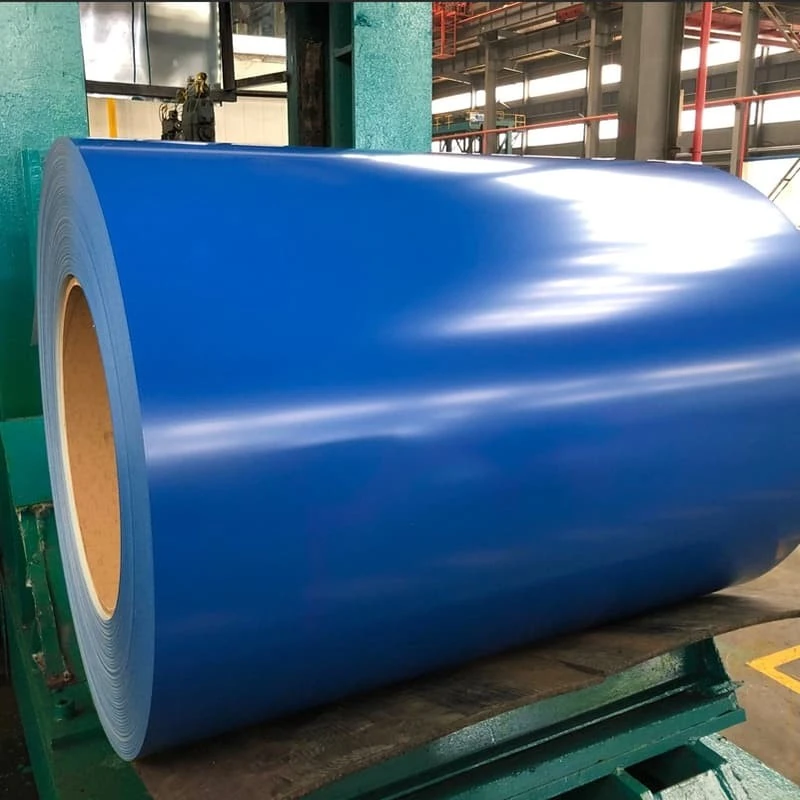
PPGI is also used in flooring applications. For example, in industrial buildings or warehouses, PPGI flooring with anti - slip properties can reduce the risk of slips and falls for workers. The textured surface of the PPGI provides the necessary friction, even in high - traffic areas.
Automotive Industry
In the automotive industry, GI is used in the manufacturing of various parts, including floor panels. The anti - slip surface of the GI floor panels ensures the safety of passengers and drivers, especially when the floors are wet or dirty. PPGI can be used for decorative elements in the interior of the vehicle. If these elements have anti - slip properties, they can enhance the overall safety and user experience.
Transportation Industry
In the transportation industry, both PPGI and GI are used in the construction of loading ramps, stairs, and walkways. These areas are often exposed to various weather conditions and heavy traffic. The anti - slip properties of PPGI and GI are crucial to prevent accidents and ensure the smooth operation of transportation facilities. For example, Galvanized Steel Pipe Tube and Galvanized Steel Bar Rod can be used in the construction of these structures, and their anti - slip surfaces help maintain safety.
Measuring Anti - Slip Properties
There are several methods to measure the anti - slip properties of PPGI and GI. One common method is to use a slip - resistance tester. This device measures the coefficient of friction between the surface and a standard test object. A higher coefficient of friction indicates better anti - slip properties.
Another method is the pendulum test. In this test, a pendulum with a rubber slider is swung across the surface of the material. The energy loss during the swing is measured, and this value is related to the slip resistance of the surface.
How Our Products Stand Out
As a PPGI and GI supplier, we take pride in providing products with excellent anti - slip properties. We use advanced manufacturing techniques to ensure the right surface texture and coating thickness. Our R & D team is constantly working on improving the anti - slip performance of our products, especially in challenging environmental conditions.
We also offer customization options. Depending on your specific application and requirements, we can adjust the surface treatment and coating to meet your anti - slip needs. Whether you need a highly textured surface for a wet environment or a more subtle anti - slip finish for a decorative application, we have the solutions.
Contact Us for Procurement
If you are in need of high - quality PPGI and GI products with outstanding anti - slip properties, we invite you to contact us for procurement. Our team of experts is ready to assist you in selecting the right products for your specific applications. We can provide detailed product information, samples, and competitive pricing. Let's start a discussion about how our PPGI and GI products can meet your anti - slip needs.
References
- ASTM International. Standard test methods for measuring the slip resistance of pedestrian surfaces.
- Steel Construction Institute. Guidelines for anti - slip surfaces in construction.