

When it comes to the world of industrial materials, carbon steel coil stands out as a versatile and widely used product. As a leading carbon steel coil supplier, I've witnessed firsthand the importance of understanding the corrosion resistance of this material. In this blog post, I'll explore what corrosion resistance means for carbon steel coil, the factors that influence it, and how you can make informed decisions when choosing the right product for your needs.
Understanding Corrosion and Its Impact on Carbon Steel Coil
Corrosion is a natural process that occurs when metals react with their environment. In the case of carbon steel coil, corrosion typically involves the oxidation of iron, which leads to the formation of rust. Rust not only affects the appearance of the steel but also weakens its structural integrity over time. This can be a significant concern, especially in applications where the steel is exposed to harsh conditions or has a long service life requirement.
The corrosion process is influenced by several factors, including the presence of moisture, oxygen, and certain chemicals in the environment. For example, carbon steel coil exposed to saltwater or acidic atmospheres is more likely to corrode than steel in a dry, clean environment. The rate of corrosion can also be affected by the temperature, humidity, and the surface condition of the steel.
Factors Affecting the Corrosion Resistance of Carbon Steel Coil
Chemical Composition
The chemical composition of carbon steel coil plays a crucial role in its corrosion resistance. Carbon steel is primarily composed of iron and carbon, but it may also contain small amounts of other elements such as manganese, silicon, sulfur, and phosphorus. These elements can have a significant impact on the steel's properties, including its resistance to corrosion.
For instance, increasing the carbon content in steel can improve its strength and hardness but may also reduce its corrosion resistance. On the other hand, the addition of certain alloying elements such as chromium, nickel, and copper can enhance the steel's corrosion resistance by forming a protective oxide layer on the surface.
Surface Finish
The surface finish of carbon steel coil can also affect its corrosion resistance. A smooth, clean surface is less likely to accumulate moisture and contaminants, which can reduce the risk of corrosion. Conversely, a rough or damaged surface can provide more sites for corrosion to start, increasing the likelihood of rust formation.
To improve the surface finish and corrosion resistance of carbon steel coil, it is often treated with various surface treatments such as galvanizing, painting, or coating. Galvanizing involves applying a layer of zinc to the steel surface, which provides a sacrificial barrier that protects the steel from corrosion. Painting and coating can also provide a protective layer that helps to prevent moisture and oxygen from reaching the steel.
Environmental Conditions
As mentioned earlier, the environmental conditions to which carbon steel coil is exposed can have a significant impact on its corrosion resistance. Different environments pose different challenges, and it's important to choose a carbon steel coil that is suitable for the specific conditions of your application.
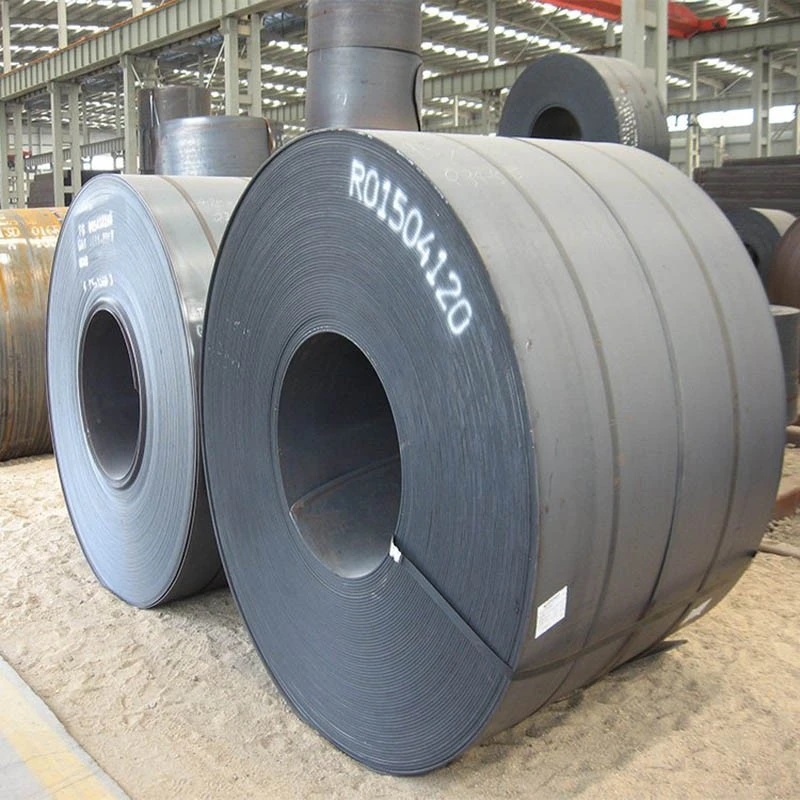
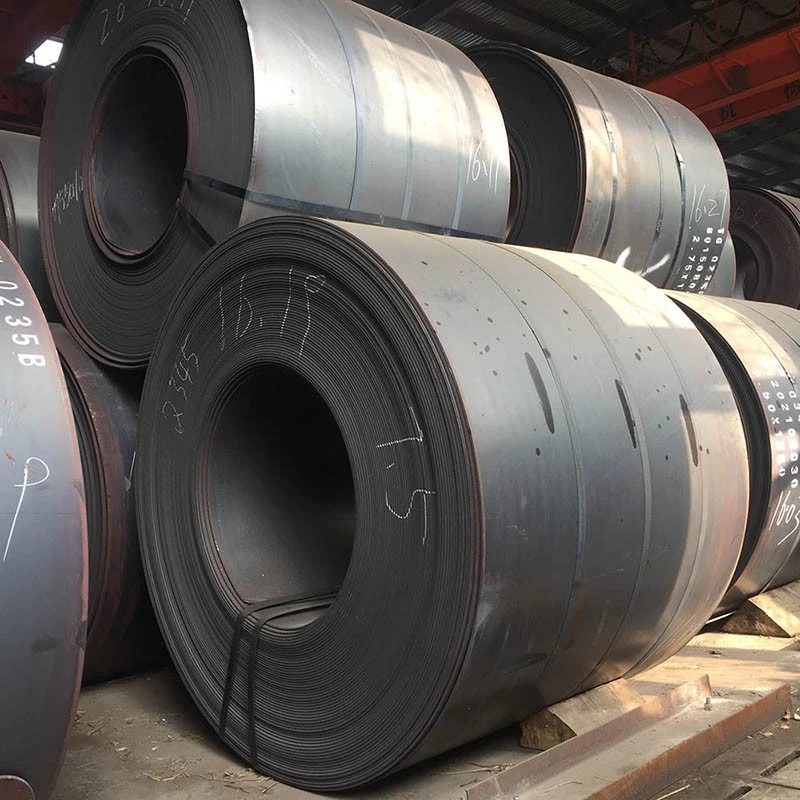
For example, if the steel will be used in a marine environment, it should have a high level of corrosion resistance to withstand the saltwater and harsh weather conditions. Similarly, if the steel will be exposed to chemicals or acidic atmospheres, it should be able to resist the corrosive effects of these substances.
Different Types of Carbon Steel Coil and Their Corrosion Resistance
At our company, we offer a wide range of carbon steel coil products, each with its own unique properties and corrosion resistance characteristics. Here are some of the most common types of carbon steel coil we supply:
- Q195 Carbon Steel Coil: This is a low-carbon steel coil with good plasticity and weldability. While it has moderate corrosion resistance, it may require additional protection in harsh environments.
- Q215 Carbon Steel Coil: Similar to Q195, Q215 carbon steel coil has relatively low carbon content and is suitable for general-purpose applications. It offers decent corrosion resistance but may need surface treatment in corrosive conditions.
- Q235B Carbon Steel Coil: This is one of the most widely used carbon steel coil products. It has a higher carbon content than Q195 and Q215, which provides better strength and hardness. However, its corrosion resistance may be slightly lower, and it is often treated with galvanizing or painting for enhanced protection.
- Q275 Carbon Steel Coil: With a higher carbon and manganese content, Q275 carbon steel coil has excellent strength and hardness. It is suitable for applications that require high load-bearing capacity but may need additional corrosion protection in aggressive environments.
- Q345B Carbon Steel Coil: This is a low-alloy high-strength structural steel coil. It contains small amounts of alloying elements such as manganese, vanadium, and niobium, which improve its strength and corrosion resistance compared to traditional carbon steel.
Testing and Evaluating the Corrosion Resistance of Carbon Steel Coil
To ensure the quality and performance of our carbon steel coil products, we conduct rigorous testing and evaluation procedures. These tests help us to determine the corrosion resistance of the steel under different conditions and to identify any potential issues before the products are delivered to our customers.
One of the most common testing methods is the salt spray test, which involves exposing the steel sample to a saltwater mist for a specified period of time. The appearance of rust on the sample is then evaluated to determine its corrosion resistance. Other testing methods may include immersion tests, electrochemical tests, and outdoor exposure tests.
Based on the test results, we can provide our customers with detailed information about the corrosion resistance of our carbon steel coil products and recommend the most suitable product for their specific applications.
Maintaining the Corrosion Resistance of Carbon Steel Coil
Even with high-quality carbon steel coil and proper surface treatments, it's important to take steps to maintain its corrosion resistance over time. Here are some tips to help you protect your carbon steel coil:
- Keep the surface clean: Regularly clean the carbon steel coil to remove dirt, dust, and other contaminants that can trap moisture and promote corrosion.
- Avoid scratches and damage: Scratches and damage to the surface of the steel can remove the protective layer and expose the underlying metal to corrosion. Handle the carbon steel coil with care and avoid using sharp objects that can scratch the surface.
- Apply protective coatings: If the carbon steel coil is not already coated, consider applying a protective coating such as paint or oil to provide an additional layer of protection against corrosion.
- Monitor the environment: Keep an eye on the environmental conditions to which the carbon steel coil is exposed. If the conditions are particularly harsh or corrosive, take additional measures to protect the steel, such as increasing the frequency of inspections or applying a more durable coating.
Conclusion
In conclusion, the corrosion resistance of carbon steel coil is a critical factor to consider when choosing the right material for your application. By understanding the factors that influence corrosion resistance, the different types of carbon steel coil available, and the testing and maintenance procedures, you can make informed decisions and ensure the long-term performance and durability of your projects.
At our company, we are committed to providing high-quality carbon steel coil products with excellent corrosion resistance. Our team of experts can help you select the right product for your specific needs and provide you with the support and guidance you need to ensure its successful installation and use.
If you are interested in learning more about our carbon steel coil products or have any questions about corrosion resistance, please don't hesitate to contact us. We look forward to discussing your requirements and working with you on your next project.
References
- ASTM International. (2023). ASTM Standards Related to Carbon Steel. Retrieved from [ASTM Website]
- Metals Handbook: Corrosion. (2017). ASM International.
- Corrosion Resistant Steel Alloys. (2022). American Iron and Steel Institute.