

Aluminum foil is a staple in kitchens around the world, used for everything from wrapping leftovers to baking and grilling. As an aluminum foil supplier, I often get asked about how aluminum foil interacts with food flavors. In this blog post, I'll delve into the science behind this interaction, exploring the factors that can influence food flavors when using aluminum foil and how to make the most of this versatile kitchen tool.
The Basics of Aluminum Foil
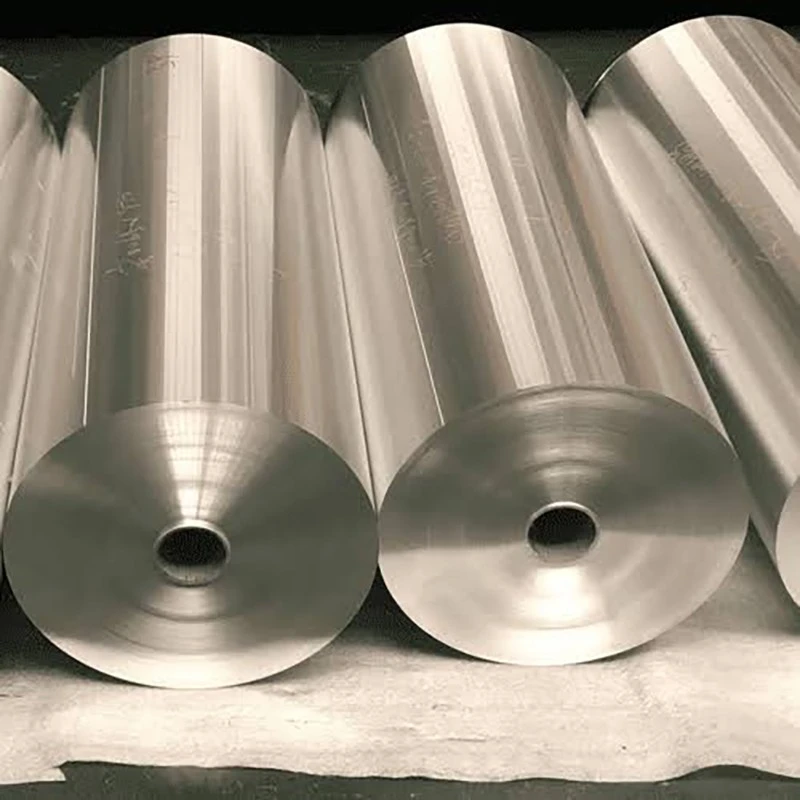
Before we discuss how aluminum foil interacts with food flavors, let's first understand what aluminum foil is. Aluminum foil is a thin sheet of aluminum that is typically less than 0.2 mm thick. It is made by rolling aluminum ingots into thin sheets, which are then further processed to achieve the desired thickness and properties.
Aluminum foil is known for its excellent barrier properties, which make it an ideal material for food packaging. It can block light, oxygen, moisture, and odors, helping to keep food fresh and prevent spoilage. Additionally, aluminum foil is heat-resistant and can withstand high temperatures, making it suitable for use in ovens, grills, and microwaves.
There are several different types of aluminum foil available on the market, each with its own unique properties and applications. Some of the most common types of aluminum foil include 1070 Aluminum Foil, 1100 Aluminum Foil, 8011 Aluminum Foil, and 3004 Aluminum Foil. These different types of aluminum foil vary in terms of their composition, thickness, and strength, which can affect their performance and suitability for different applications.
How Aluminum Foil Interacts with Food Flavors
The interaction between aluminum foil and food flavors is a complex process that can be influenced by several factors. Here are some of the key ways in which aluminum foil can interact with food flavors:
1. Barrier Properties
One of the main ways in which aluminum foil interacts with food flavors is through its barrier properties. As mentioned earlier, aluminum foil can block light, oxygen, moisture, and odors, which helps to keep food fresh and preserve its flavors. By preventing the entry of oxygen and moisture, aluminum foil can slow down the oxidation and spoilage of food, which can lead to a loss of flavor and quality.
For example, when you wrap a piece of meat in aluminum foil and store it in the refrigerator, the foil acts as a barrier, preventing oxygen from reaching the meat. This helps to slow down the oxidation process, which can cause the meat to develop a rancid flavor. Similarly, when you use aluminum foil to cover a bowl of leftovers, the foil helps to prevent the entry of moisture and odors, which can help to keep the food fresh and flavorful.
2. Heat Transfer
Another way in which aluminum foil interacts with food flavors is through its heat transfer properties. Aluminum foil is an excellent conductor of heat, which means that it can quickly transfer heat to the food it is wrapped around. This can have a significant impact on the flavor and texture of the food.
When you use aluminum foil to cook food in the oven or on the grill, the foil helps to distribute the heat evenly, which can prevent the food from burning or drying out. This can result in a more flavorful and tender cooked food. For example, when you wrap a potato in aluminum foil and bake it in the oven, the foil helps to trap the steam inside, which helps to cook the potato evenly and keep it moist. This can result in a fluffy and flavorful baked potato.
On the other hand, if you use aluminum foil to cook food at too high a temperature or for too long, the food can become overcooked and lose its flavor. This is because the high heat can cause the food to dry out and develop a burnt taste. Therefore, it is important to use aluminum foil correctly and follow the recommended cooking times and temperatures to ensure that the food is cooked to perfection.
3. Chemical Reactions
In some cases, aluminum foil can interact with certain foods through chemical reactions. This can occur when the aluminum in the foil reacts with acidic or alkaline foods, such as tomatoes, citrus fruits, or vinegar. When this happens, the aluminum can leach into the food, which can affect its flavor and quality.
For example, if you wrap a piece of fish in aluminum foil and cook it with lemon juice, the acid in the lemon juice can react with the aluminum in the foil, causing the fish to develop a metallic taste. Similarly, if you use aluminum foil to store pickled vegetables, the acid in the pickling solution can react with the aluminum, causing the vegetables to absorb some of the aluminum and develop a strange taste.
To avoid these chemical reactions, it is important to use aluminum foil correctly and avoid using it with acidic or alkaline foods. If you need to use aluminum foil with these types of foods, you can line the foil with a layer of parchment paper or wax paper to prevent the food from coming into direct contact with the aluminum.
Tips for Using Aluminum Foil to Enhance Food Flavors
Now that we understand how aluminum foil interacts with food flavors, let's look at some tips for using aluminum foil to enhance the flavors of your food:
1. Choose the Right Type of Aluminum Foil
As mentioned earlier, there are several different types of aluminum foil available on the market, each with its own unique properties and applications. When choosing aluminum foil for your cooking needs, it is important to choose the right type of foil based on the type of food you are cooking and the cooking method you are using.
For example, if you are cooking a delicate food, such as fish or vegetables, you may want to choose a thinner and more flexible aluminum foil, such as 8011 Aluminum Foil. This type of foil is less likely to tear or puncture, which can help to keep the food intact and prevent it from sticking to the foil. On the other hand, if you are cooking a heavy or thick food, such as a roast or a steak, you may want to choose a thicker and more durable aluminum foil, such as 3004 Aluminum Foil. This type of foil can withstand high temperatures and provide better insulation, which can help to cook the food evenly and prevent it from drying out.
2. Use Aluminum Foil to Trap Flavors
One of the best ways to use aluminum foil to enhance the flavors of your food is to use it to trap the flavors inside. When you wrap food in aluminum foil, the foil acts as a seal, preventing the flavors from escaping and allowing them to meld together.
For example, when you wrap a piece of chicken in aluminum foil with some herbs, spices, and vegetables, the foil helps to trap the steam and flavors inside, which can result in a more flavorful and tender cooked chicken. Similarly, when you use aluminum foil to make a foil packet with some shrimp, garlic, and butter, the foil helps to trap the steam and flavors, which can result in a delicious and flavorful shrimp dish.
3. Avoid Overcooking
As mentioned earlier, overcooking food can cause it to lose its flavor and quality. When using aluminum foil to cook food, it is important to follow the recommended cooking times and temperatures to ensure that the food is cooked to perfection.
For example, if you are cooking a piece of fish in aluminum foil in the oven, you may want to cook it at a low temperature for a longer period of time to ensure that it is cooked evenly and does not dry out. Similarly, if you are grilling a piece of steak in aluminum foil, you may want to cook it over medium heat for a shorter period of time to ensure that it is cooked to the desired doneness.

4. Use Aluminum Foil to Reheat Food
Aluminum foil can also be used to reheat food, which can help to preserve its flavors and texture. When you reheat food in aluminum foil, the foil helps to trap the steam and flavors inside, which can prevent the food from drying out and losing its flavor.
For example, if you have some leftover pizza, you can wrap it in aluminum foil and reheat it in the oven for a few minutes. The foil helps to trap the steam and flavors, which can result in a delicious and crispy reheated pizza. Similarly, if you have some leftover soup, you can pour it into a foil container and reheat it on the stovetop. The foil helps to conduct the heat evenly, which can prevent the soup from burning and ensure that it is heated through.
Conclusion
In conclusion, aluminum foil is a versatile and useful kitchen tool that can have a significant impact on the flavors of your food. By understanding how aluminum foil interacts with food flavors and following the tips outlined in this blog post, you can use aluminum foil to enhance the flavors of your food and create delicious and memorable meals.
If you are interested in purchasing high-quality aluminum foil for your cooking needs, please feel free to contact us. We are a leading aluminum foil supplier, offering a wide range of aluminum foil products to meet your specific requirements. Whether you need 1070 Aluminum Foil, 1100 Aluminum Foil, 8011 Aluminum Foil, or 3004 Aluminum Foil, we have the perfect solution for you. Contact us today to learn more about our products and services.
References
- "Aluminum Foil: Properties and Applications." International Aluminum Institute.
- "Cooking with Aluminum Foil: Is It Safe?" Healthline.
- "The Science of Cooking with Aluminum Foil." Serious Eats.