

Hey there, fellow metal enthusiasts! As a supplier of stainless steel coils, I'm often asked about the passivation process. It's a topic that's crucial for anyone dealing with stainless steel, whether you're in the manufacturing, construction, or any other industry that relies on this versatile material. So, let's dive right in and explore what the passivation process for stainless steel coil is all about.
What is Stainless Steel Coil?
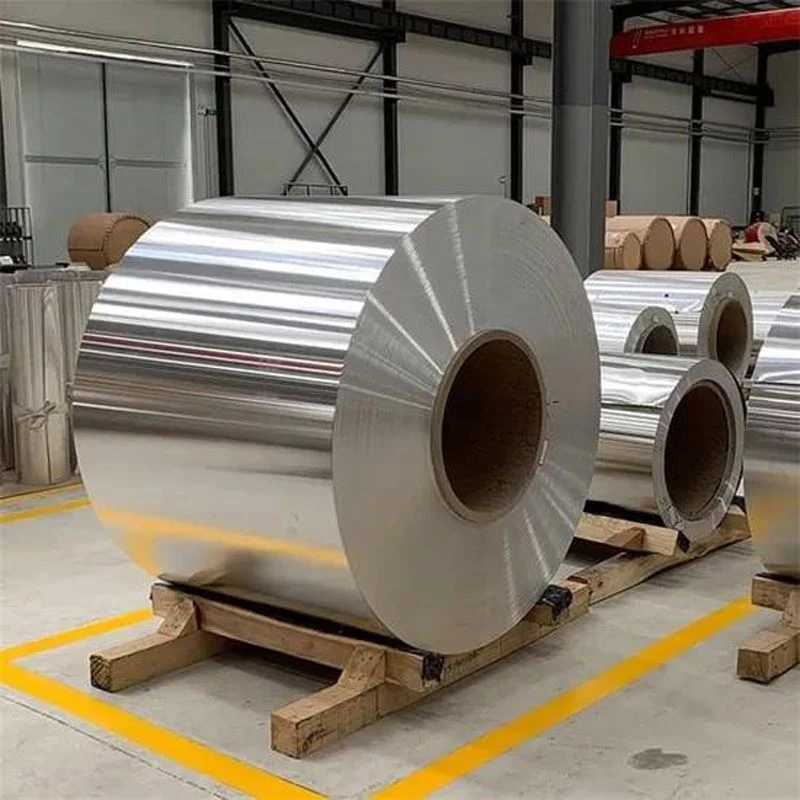
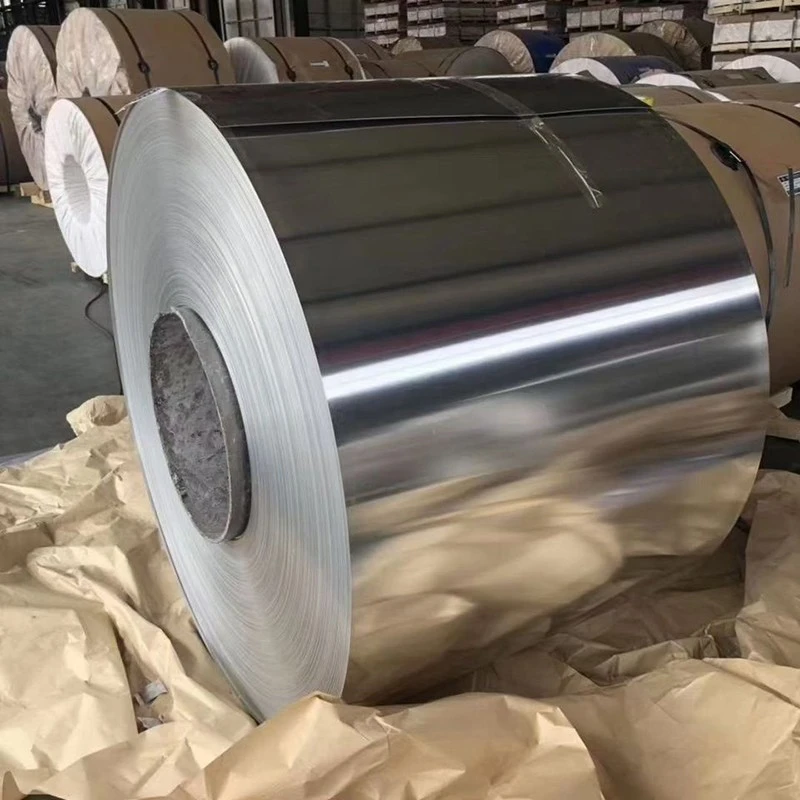
Before we get into the passivation process, let's quickly touch on what stainless steel coil is. Stainless steel coil is a long, continuous strip of stainless steel that's wound into a coil. It's used in a wide range of applications, from automotive parts and kitchen appliances to architectural structures and industrial equipment. The reason stainless steel is so popular is its corrosion resistance, strength, and aesthetic appeal.
There are different grades of stainless steel coils available, each with its own unique properties and applications. For example, 444 Stainless Steel Coil is known for its excellent corrosion resistance in various environments, especially in the presence of chlorides. 201 Stainless Steel Coil is a more economical option, often used in decorative applications. 904L Stainless Steel Coil offers high corrosion resistance in harsh chemical environments, while 2205 Stainless Steel Coil is a duplex stainless steel with a combination of high strength and good corrosion resistance. And 202 Stainless Steel Coil is another cost - effective option with decent corrosion resistance.
The Importance of Passivation
Stainless steel owes its corrosion resistance to a thin, invisible layer of chromium oxide that forms on its surface. However, during the manufacturing process, this protective layer can be damaged or contaminated. Things like machining, welding, or exposure to iron particles can disrupt the chromium oxide layer, leaving the stainless steel vulnerable to corrosion.
That's where passivation comes in. The passivation process is designed to restore and enhance that protective chromium oxide layer, making the stainless steel coil more resistant to corrosion. It's like giving your stainless steel a suit of armor to defend it against the elements.
The Passivation Process
The passivation process typically involves several steps, but I'll break it down into the main ones so it's easy to understand.
Cleaning
The first step in the passivation process is cleaning the stainless steel coil. This is super important because any dirt, grease, or contaminants on the surface can prevent the passivation solution from working effectively. You can use a variety of cleaning methods, such as alkaline cleaning, which involves soaking the coil in an alkaline solution to remove oils and debris. Another option is solvent cleaning, where a solvent like acetone is used to dissolve any organic contaminants.
After cleaning, it's crucial to rinse the coil thoroughly with clean water to remove any remaining cleaning agents. This helps prevent any chemical reactions that could damage the surface of the stainless steel during the passivation step.
Passivation Treatment
Once the coil is clean, it's time for the passivation treatment. This usually involves immersing the coil in a passivation solution, which is typically an acid solution. The most common acids used in passivation are nitric acid and citric acid.
Nitric acid passivation is a well - established method. When the stainless steel coil is immersed in the nitric acid solution, the acid reacts with the surface of the steel, dissolving any free iron and other contaminants. At the same time, it promotes the formation of a more stable and protective chromium oxide layer. The concentration of nitric acid and the immersion time can vary depending on the grade of stainless steel and the specific requirements of the application.
Citric acid passivation is becoming increasingly popular because it's more environmentally friendly than nitric acid. Citric acid works in a similar way to nitric acid, but it's less aggressive. It also leaves a more uniform and aesthetically pleasing finish on the stainless steel surface.
Rinsing and Drying
After the passivation treatment, the coil needs to be rinsed again, and this time, it's even more critical to remove all traces of the passivation solution. Residual acid can cause corrosion over time, so a thorough rinse with clean, deionized water is necessary.
Once the coil is rinsed, it's dried. You can use air drying or other drying methods, but it's important to make sure the coil is completely dry to prevent any water spots or corrosion.
Quality Control in Passivation
To ensure that the passivation process has been successful, quality control is essential. There are several tests that can be performed to check the effectiveness of passivation. One common test is the copper sulfate test. In this test, a copper sulfate solution is applied to the surface of the stainless steel. If there's any un - passivated iron on the surface, it will react with the copper sulfate and form a copper deposit. A clean, corrosion - resistant surface should not show any copper deposition.
Another test is the salt spray test. In this test, the passivated stainless steel coil is exposed to a salt - laden mist in a controlled environment for a specific period. After the test, the surface is examined for signs of corrosion. If there's minimal or no corrosion, it indicates that the passivation process has been effective.
Benefits of Using Passivated Stainless Steel Coil
Using passivated stainless steel coil has several benefits. First and foremost, it significantly improves corrosion resistance. This means that the coil can be used in more demanding environments without the risk of rust or other forms of corrosion.
Secondly, passivated stainless steel has a better aesthetic appearance. The passivation process can remove any surface discoloration or stains, leaving the coil with a clean and shiny finish. This is especially important for applications where the appearance of the stainless steel is a factor, such as in architectural or decorative uses.
Applications of Passivated Stainless Steel Coil
Passivated stainless steel coils are used in a wide variety of applications. In the food and beverage industry, passivated coils are used to make equipment like tanks, pipes, and processing machinery. The corrosion resistance ensures that the equipment is safe for contact with food and beverages, and the smooth surface is easy to clean, preventing the growth of bacteria.
In the medical industry, passivated stainless steel is used to make surgical instruments, implants, and medical equipment. The high corrosion resistance and biocompatibility of passivated stainless steel make it an ideal material for these applications.
In the construction industry, passivated stainless steel coils are used for roofing, cladding, and structural components. The improved corrosion resistance ensures that the building materials will last longer, even in harsh weather conditions.
Conclusion
So, there you have it! The passivation process for stainless steel coil is a vital step in enhancing its corrosion resistance and overall performance. As a stainless steel coil supplier, I understand the importance of providing high - quality, passivated coils to meet the needs of my customers. Whether you're in the food, medical, construction, or any other industry, passivated stainless steel coil can offer the reliability and durability you need.
If you're interested in purchasing stainless steel coils or have any questions about the passivation process, don't hesitate to reach out. We're here to help you find the right solution for your project.
References
- ASM Handbook Volume 3: Alloy Phase Diagrams
- Stainless Steel World Magazine articles on corrosion prevention and passivation techniques.