

What are the Abrasion Resistance Properties of PPGI and GI?
As a supplier of PPGI (Pre-Painted Galvanized Iron) and GI (Galvanized Iron) products, I often receive inquiries from customers about the abrasion resistance properties of these two types of materials. Understanding these properties is crucial for industries that rely on these metals for various applications, from construction to manufacturing. In this blog, we'll delve into the abrasion resistance of PPGI and GI, exploring what makes them unique and how they perform under different conditions.
Understanding PPGI and GI
Before we discuss abrasion resistance, let's briefly define PPGI and GI. PPGI is essentially galvanized steel that has been pre - painted. The galvanization process involves coating steel with a layer of zinc to protect it from corrosion. The pre - painting step adds an additional layer of protection and aesthetic appeal. On the other hand, GI is steel that has only been galvanized, without the pre - painted layer.
Abrasion Resistance of GI
The abrasion resistance of GI primarily comes from its zinc coating. Zinc is a relatively hard and durable metal that can withstand a certain amount of wear and tear. When a GI product is subjected to abrasion, the zinc coating acts as a sacrificial layer. This means that instead of the base steel being damaged immediately, the zinc coating takes the brunt of the abrasion.
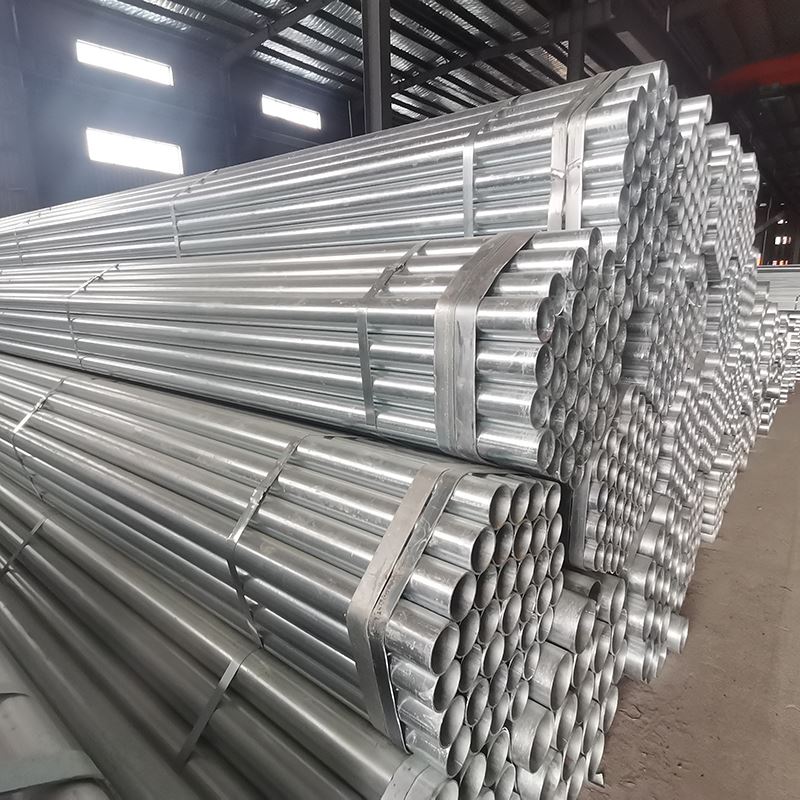
The thickness of the zinc coating plays a significant role in the abrasion resistance of GI. A thicker zinc coating generally provides better abrasion protection. For example, in applications where the GI is used in rough environments, such as in the construction of outdoor fences or galvanized steel pipe tubes, a thicker zinc layer can ensure a longer lifespan.
However, once the zinc coating is completely worn away in a particular area, the underlying steel is exposed. At this point, the steel is vulnerable to corrosion, which can further weaken the material and reduce its overall integrity.
Abrasion Resistance of PPGI
PPGI combines the benefits of galvanization with the added protection of a paint layer. The paint layer on PPGI serves as an extra barrier against abrasion. It can resist scratches and scuffs better than the bare zinc coating of GI.
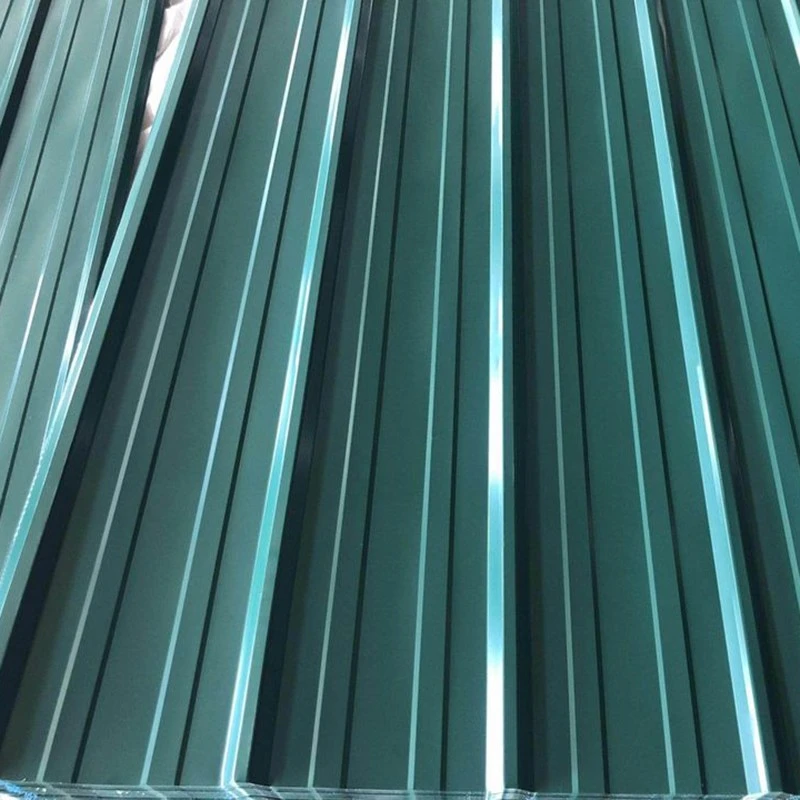
The type of paint used in PPGI also affects its abrasion resistance. High - quality paints with good adhesion and hardness properties can provide excellent abrasion protection. For instance, in applications where the PPGI is used for GI roofing steel sheets, the paint layer can protect the underlying zinc and steel from the abrasive effects of wind - blown debris, hail, and even foot traffic during maintenance.
Moreover, the paint layer on PPGI can be formulated to have self - healing properties in some cases. Minor scratches on the paint surface can be filled in over time, maintaining the overall integrity of the protective layer.
Factors Affecting Abrasion Resistance
Several factors can influence the abrasion resistance of both PPGI and GI.
1. Coating Thickness
As mentioned earlier, the thickness of the zinc coating in GI and the combined thickness of the zinc and paint coatings in PPGI are crucial. A thicker coating can withstand more abrasion before the base steel is exposed.
2. Surface Finish
The surface finish of PPGI and GI can also impact abrasion resistance. A smooth surface finish generally experiences less friction during abrasion, reducing the rate of wear. Rough or uneven surfaces are more likely to catch on abrasive particles, leading to faster wear.
3. Environmental Conditions
The environment in which the PPGI or GI is used plays a significant role. In harsh environments with high levels of dust, sand, or chemical pollutants, the abrasion rate can be much higher. For example, in desert regions, the constant sand - blasting effect can quickly wear down the coatings of both PPGI and GI.
4. Contact Materials
The type of materials that come into contact with PPGI and GI can affect their abrasion resistance. Harder contact materials, such as sharp - edged minerals or certain metals, can cause more severe abrasion than softer materials.
Testing Abrasion Resistance
To accurately assess the abrasion resistance of PPGI and GI, various testing methods are available. One common method is the Taber Abraser test. In this test, a sample of the material is subjected to rotating abrasive wheels under a specific load. The weight loss of the sample after a certain number of rotations is measured, which provides an indication of its abrasion resistance.
Another method is the sand - blast test, where the material is exposed to a stream of sand particles at a controlled pressure and speed. This simulates the abrasive effects of wind - blown sand in real - world environments.
Applications and Abrasion Resistance Requirements
Different applications have different abrasion resistance requirements for PPGI and GI.
1. Construction
In construction, GI is often used for structural elements such as galvanized steel bar rods and pipes. These applications require good abrasion resistance to withstand the construction process, which may involve handling and installation in rough conditions. PPGI, on the other hand, is commonly used for roofing and wall cladding. Here, the abrasion resistance provided by the paint layer is important to protect against weather - related abrasion and minor impacts.
2. Manufacturing
In manufacturing, PPGI and GI are used in the production of various consumer goods and industrial equipment. For example, in the automotive industry, PPGI may be used for interior and exterior parts. The abrasion resistance of PPGI ensures that these parts maintain their appearance and functionality over time.
Conclusion
In summary, both PPGI and GI have unique abrasion resistance properties. GI relies on its zinc coating to provide abrasion protection, while PPGI benefits from the combination of a zinc coating and a paint layer. The abrasion resistance of these materials is affected by factors such as coating thickness, surface finish, environmental conditions, and contact materials.
As a supplier of PPGI and GI products, I understand the importance of these properties for our customers. We are committed to providing high - quality materials that meet the specific abrasion resistance requirements of different applications. Whether you need materials for construction, manufacturing, or any other industry, our PPGI and GI products are designed to perform.
If you are interested in learning more about our PPGI and GI products or have specific requirements regarding abrasion resistance, I encourage you to contact us for a detailed discussion. We are here to assist you in finding the best solutions for your projects.
References
- Kubát, J., Starý, M. (1998). Abrasion and friction of polymers.Elsevier.
- Smith, J. D. (2010). Handbook of corrosion engineering. McGraw - Hill.
- ASTM International. (2019). Standards for testing the abrasion resistance of metallic materials.