

Fatigue strength is a crucial property when considering the applications of aluminum. As a leading aluminum supplier, I'm often asked about the fatigue strength of aluminum and its implications for various industries. In this blog, I'll delve into what fatigue strength is, how it applies to aluminum, and why it matters in different sectors.
Understanding Fatigue Strength
Fatigue strength refers to the maximum stress that a material can withstand for a specified number of cycles without failing. When materials are subjected to repeated loading and unloading, they can develop cracks over time, even if the applied stress is below the material's ultimate tensile strength. This phenomenon is known as fatigue, and it can lead to sudden and catastrophic failure if not properly accounted for.
The fatigue strength of a material is typically determined through a series of tests, such as the rotating beam fatigue test or the axial fatigue test. In these tests, a specimen is subjected to a cyclic load, and the number of cycles it can withstand before failure is recorded. The results are then used to create an S-N curve, which shows the relationship between the applied stress (S) and the number of cycles to failure (N).
Fatigue Strength of Aluminum
Aluminum is a popular material in many industries due to its low density, high strength-to-weight ratio, and excellent corrosion resistance. However, its fatigue strength can vary depending on several factors, including the alloy composition, heat treatment, and manufacturing process.
Alloy Composition
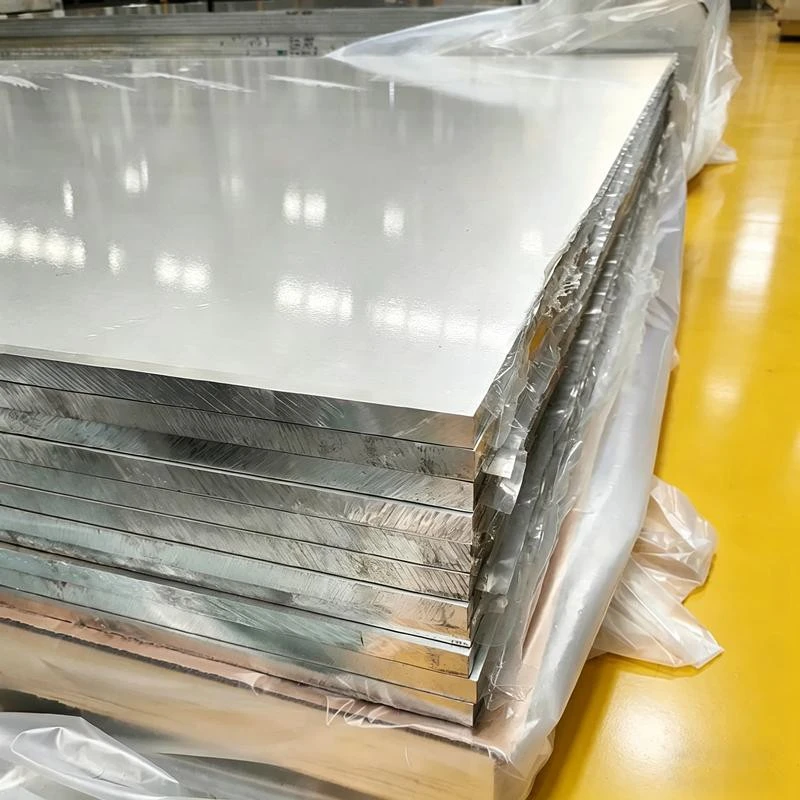
Different aluminum alloys have different fatigue strengths. For example, the 3004 Aluminum Foil is known for its good formability and moderate strength, making it suitable for applications such as food packaging and automotive components. The 5005 Aluminum Sheet, on the other hand, has higher corrosion resistance and is often used in architectural applications.
The 8011 Aluminum Foil is commonly used in packaging applications due to its excellent barrier properties and pinhole resistance. While it may not have the highest fatigue strength among aluminum alloys, its other properties make it a preferred choice for many packaging manufacturers.
Alloys with higher levels of certain elements, such as copper, magnesium, and zinc, tend to have better fatigue strength. These elements can form precipitates in the aluminum matrix, which help to strengthen the material and improve its resistance to fatigue cracking.
Heat Treatment
Heat treatment can also have a significant impact on the fatigue strength of aluminum. By subjecting the material to specific heating and cooling cycles, the microstructure of the aluminum can be altered, which can improve its mechanical properties, including fatigue strength.
For example, solution heat treatment followed by aging can increase the strength and hardness of aluminum alloys, which can lead to improved fatigue resistance. This process involves heating the alloy to a high temperature to dissolve the alloying elements, followed by rapid cooling to form a supersaturated solid solution. The material is then aged at a lower temperature to allow the precipitation of fine particles, which strengthen the material.
Manufacturing Process
The manufacturing process used to produce aluminum products can also affect their fatigue strength. For example, extrusion and rolling can introduce residual stresses in the material, which can reduce its fatigue resistance. On the other hand, processes such as forging and machining can improve the surface finish and reduce the presence of surface defects, which can enhance the fatigue strength of the material.
Importance of Fatigue Strength in Different Industries
The fatigue strength of aluminum is of great importance in many industries, including aerospace, automotive, and construction.
Aerospace Industry
In the aerospace industry, aluminum is widely used due to its low density and high strength-to-weight ratio. However, aircraft components are subjected to repeated loads during flight, such as takeoff, landing, and turbulence. Therefore, the fatigue strength of aluminum is crucial to ensure the safety and reliability of aircraft.
For example, the fuselage and wings of an aircraft are typically made of aluminum alloys. These components must be able to withstand the repeated stresses imposed by flight without developing cracks or failing. By using aluminum alloys with high fatigue strength, aircraft manufacturers can reduce the risk of fatigue-related failures and improve the overall safety of their products.
Automotive Industry
In the automotive industry, aluminum is increasingly being used to reduce the weight of vehicles and improve fuel efficiency. However, automotive components are also subjected to repeated loads during normal operation, such as engine vibrations, road shocks, and braking forces. Therefore, the fatigue strength of aluminum is essential to ensure the durability and reliability of automotive parts.
For example, aluminum engine blocks, transmission cases, and suspension components are commonly used in modern vehicles. These components must be able to withstand the repeated stresses imposed by the engine and the road without failing. By using aluminum alloys with high fatigue strength, automotive manufacturers can improve the performance and longevity of their vehicles.
Construction Industry
In the construction industry, aluminum is used in a variety of applications, such as windows, doors, curtain walls, and structural frames. These components are often subjected to repeated loads, such as wind forces, seismic activity, and thermal expansion and contraction. Therefore, the fatigue strength of aluminum is important to ensure the structural integrity and safety of buildings.
For example, aluminum curtain walls are used to provide a lightweight and aesthetically pleasing facade for buildings. These curtain walls must be able to withstand the repeated stresses imposed by the wind and other environmental factors without failing. By using aluminum alloys with high fatigue strength, architects and engineers can design buildings that are both safe and energy-efficient.
How Our Aluminum Products Meet Fatigue Strength Requirements
As an aluminum supplier, we understand the importance of fatigue strength in different industries. That's why we offer a wide range of aluminum products with excellent fatigue strength properties.
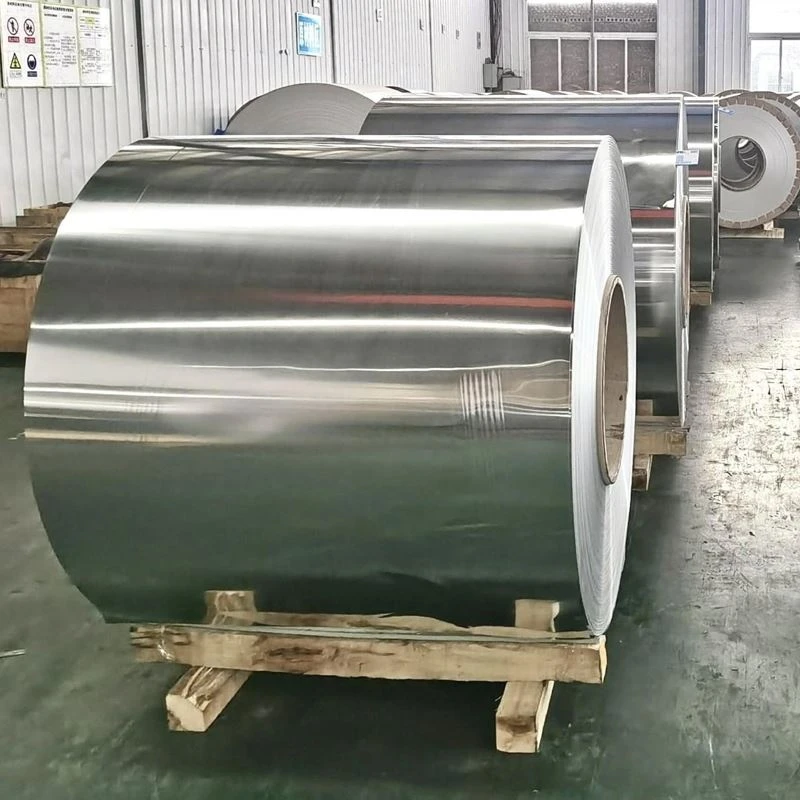
Our 1060 Aluminum Coil is a commercially pure aluminum coil that is known for its good formability and corrosion resistance. It also has moderate fatigue strength, making it suitable for applications where low cost and high formability are required.
Our 5083 Aluminum Coil is a high-strength aluminum alloy coil that is commonly used in marine and aerospace applications. It has excellent fatigue strength and corrosion resistance, making it ideal for components that are subjected to repeated loads and harsh environments.
We ensure that our aluminum products meet the highest quality standards by using advanced manufacturing processes and conducting rigorous quality control tests. Our team of experts is also available to provide technical support and advice on the selection and use of our aluminum products to meet your specific fatigue strength requirements.
Conclusion
In conclusion, the fatigue strength of aluminum is a critical property that affects its performance and reliability in various industries. By understanding the factors that influence the fatigue strength of aluminum, such as alloy composition, heat treatment, and manufacturing process, you can choose the right aluminum products for your applications.
As an aluminum supplier, we are committed to providing high-quality aluminum products with excellent fatigue strength properties. If you have any questions or would like to discuss your aluminum procurement needs, please feel free to contact us. We look forward to working with you to meet your requirements.
References
- Callister, W. D., & Rethwisch, D. G. (2011). Materials Science and Engineering: An Introduction (8th ed.). Wiley.
- Askeland, D. R., Fulay, P. P., & Wright, W. J. (2010). The Science and Engineering of Materials (6th ed.). Cengage Learning.
- Dieter, G. E. (1986). Mechanical Metallurgy (3rd ed.). McGraw-Hill.