

What is the tensile strength of 904L stainless steel coil?
As a reputable supplier of 904L stainless steel coils, I often encounter clients who are keenly interested in understanding the tensile strength of this remarkable material. Tensile strength is a crucial mechanical property that dictates a material's ability to withstand pulling forces without breaking. In this blog, I'll delve into the intricacies of the tensile strength of 904L stainless steel coil, exploring its significance, influencing factors, and how it compares to other stainless steel variants.
Understanding Tensile Strength
Tensile strength is defined as the maximum stress that a material can endure while being stretched or pulled before it fractures. In the context of 904L stainless steel coils, this property is determined through standardized testing methods, typically involving a tensile test. During this test, a specimen of the 904L stainless steel coil is gradually subjected to an increasing tensile load until it breaks. The stress at the point of fracture is recorded as the material's tensile strength.
For 904L stainless steel, the typical minimum tensile strength ranges from approximately 490 - 650 megapascals (MPa). This value can, however, be influenced by a variety of factors, which we will explore in the following sections.
Factors Influencing Tensile Strength in 904L Stainless Steel Coil
Chemical Composition
The chemical makeup of 904L stainless steel plays a significant role in determining its tensile strength. 904L is a low-carbon, high-alloy austenitic stainless steel, containing elements such as chromium (Cr), nickel (Ni), molybdenum (Mo), and copper (Cu). Chromium enhances the steel's corrosion resistance and contributes to its strength by forming a protective oxide layer on the surface. Nickel improves the ductility and toughness of the steel, while molybdenum and copper further enhance its resistance to corrosion in various environments. A well-balanced chemical composition ensures optimal tensile strength and other mechanical properties.
Heat Treatment
Heat treatment processes can have a profound impact on the tensile strength of 904L stainless steel coils. Annealing, for example, is a common heat treatment method used to relieve internal stresses and improve the material's ductility. During annealing, the steel is heated to a specific temperature and then slowly cooled. If the annealing process is not carried out correctly, it can lead to a reduction in tensile strength. On the other hand, cold working, which involves deforming the steel at room temperature, can increase its tensile strength by introducing dislocations in the crystal structure.
Manufacturing Process
The manufacturing process of the 904L stainless steel coil also affects its tensile strength. The rolling process, whether hot rolling or cold rolling, can influence the grain structure and orientation of the steel. Hot rolling is typically used to produce coils with a coarse grain structure, which can provide good formability but relatively lower tensile strength. Cold rolling, in contrast, results in a finer grain structure and higher tensile strength. Additionally, the quality control measures implemented during manufacturing, such as proper calibration of equipment and strict adherence to production standards, are essential for ensuring consistent tensile strength across batches.
Comparing Tensile Strength with Other Stainless Steel Coils
To better understand the performance of 904L stainless steel coil, it's useful to compare its tensile strength with that of other commonly used stainless steel coils:
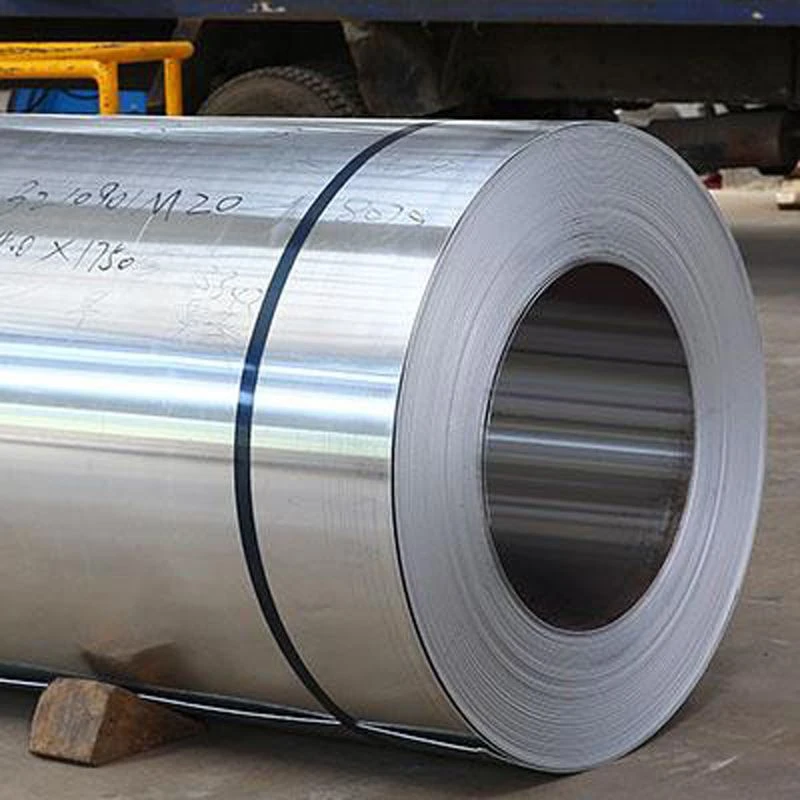
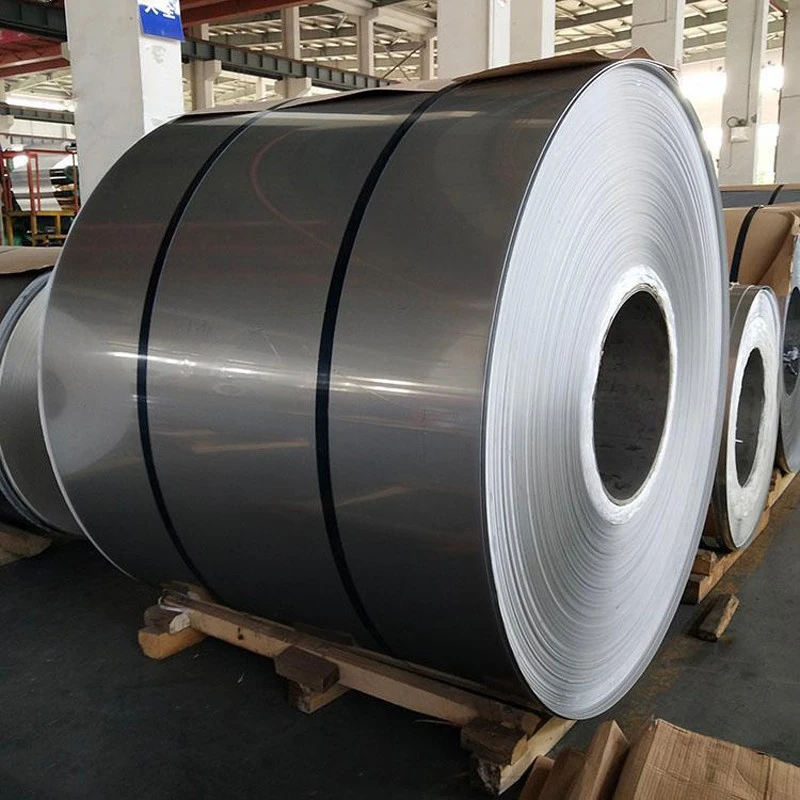
- 444 Stainless Steel Coil: 444 stainless steel is a ferritic stainless steel known for its excellent corrosion resistance and high strength. It typically has a minimum tensile strength of around 415 - 620 MPa, which is slightly lower than that of 904L in some cases. However, 444 stainless steel may offer better resistance to stress corrosion cracking in certain environments.
- 321 Stainless Steel Coil: 321 stainless steel is an austenitic stainless steel stabilized with titanium to prevent carbide precipitation. It has a minimum tensile strength ranging from 515 - 760 MPa, which is comparable to or slightly higher than that of 904L. 321 stainless steel is often used in high-temperature applications due to its good creep resistance.
- 2205 Stainless Steel Coil: 2205 is a duplex stainless steel that combines the properties of austenitic and ferritic stainless steels. It has a relatively high minimum tensile strength of about 620 - 830 MPa, significantly higher than that of 904L. 2205 stainless steel is widely used in applications requiring high strength and excellent corrosion resistance, such as offshore oil and gas platforms.
- 430 Stainless Steel Coil/Stripe: 430 is a ferritic stainless steel with a minimum tensile strength of approximately 365 - 515 MPa, which is lower than that of 904L. It is commonly used in decorative applications due to its good formability and moderate corrosion resistance.
- 410S Stainless Steel Coil: 410S is a martensitic stainless steel with a minimum tensile strength of around 440 - 620 MPa. While it can offer good strength and wear resistance, it may be more prone to corrosion compared to 904L in some environments.
Importance of Tensile Strength in Applications
The tensile strength of 904L stainless steel coil is a critical factor in determining its suitability for various applications. In industries such as chemical processing, food processing, and pharmaceutical manufacturing, where the material is often exposed to corrosive substances, high tensile strength is essential to ensure the structural integrity of equipment and pipelines. Additionally, in construction and architecture, 904L stainless steel coils with adequate tensile strength are used to fabricate structural components that can withstand heavy loads and environmental stresses.
Contact Us for 904L Stainless Steel Coil
If you're in the market for high-quality 904L stainless steel coils with consistent and reliable tensile strength, we're here to help. Our team of experts can provide you with detailed information about our products, including their mechanical properties, chemical composition, and manufacturing processes. Whether you need a small quantity for a specialized project or a large volume for industrial applications, we have the resources and expertise to meet your requirements. Contact us today to start a conversation about your 904L stainless steel coil needs.
References
- ASM Handbook Volume 1: Properties and Selection: Irons, Steels, and High-Performance Alloys
- Stainless Steel World Magazine: Articles on stainless steel properties and applications
- ASTM International Standards for stainless steel testing and specifications