

Hey there! I'm a supplier of 430 Stainless Steel Sheet. Today, I'm gonna talk about what the flatness of 430 stainless steel sheet is all about.
First off, let's understand what flatness means in the context of stainless steel sheets. Flatness refers to how even the surface of the sheet is. A perfectly flat sheet has no waves, bumps, or curls. It's crucial because the flatness of a 430 stainless steel sheet can affect its performance in various applications.
430 stainless steel is a ferritic stainless steel. It contains around 16 - 18% chromium, which gives it good corrosion resistance, especially against mild atmospheres and some chemicals. It's often used in applications like automotive trim, kitchen appliances, and architectural components.
When it comes to the flatness of 430 stainless steel sheets, it's measured by the deviation from a perfectly flat surface. There are different standards for measuring flatness, and these standards can vary depending on the industry and the specific application. For example, in some high - precision applications like the manufacturing of electronic components, the required flatness tolerance is extremely tight. Even a small deviation can lead to problems in the assembly or the performance of the final product.
The flatness of a 430 stainless steel sheet is affected by several factors during the manufacturing process. The first step in making these sheets is usually hot rolling. During hot rolling, the steel is heated to a high temperature and passed through a series of rollers to reduce its thickness. The uniformity of the temperature across the steel and the pressure applied by the rollers can impact the initial flatness of the sheet.
After hot rolling, the sheets may undergo cold rolling. Cold rolling further refines the thickness and surface finish of the sheet. However, it can also introduce some stresses in the material. If these stresses are not properly relieved, they can cause the sheet to warp or curl. We usually use processes like annealing to relieve these stresses and improve the flatness.
Another factor that can affect flatness is the handling and storage of the sheets. If the sheets are stacked unevenly or are subjected to external forces during transportation or storage, it can lead to deformation.
Now, let's compare the flatness requirements of 430 stainless steel sheets with some other popular stainless steel grades. For example, 321 Stainless Steel Sheet/Plate is an austenitic stainless steel with good corrosion resistance and high - temperature strength. It's often used in aerospace and chemical processing industries. The flatness requirements for 321 may be different from 430 depending on the specific application. In aerospace applications, where precision is of utmost importance, the flatness tolerance for 321 is very strict.
2205 Stainless Steel Sheet/Plate is a duplex stainless steel known for its high strength and excellent corrosion resistance in aggressive environments. Similar to 321, in applications like offshore oil and gas platforms, the flatness requirements for 2205 are closely monitored.
310S Stainless Steel Sheet/Plate is often used in high - temperature applications such as furnace parts. The thermal expansion and contraction during heating and cooling cycles can affect its flatness. So, in these applications, maintaining the right flatness is crucial for the proper functioning of the components.
304 Stainless Steel Sheet is one of the most widely used stainless steel grades, commonly seen in kitchenware, food processing equipment, and architectural applications. Depending on the end - use, the flatness requirements for 304 can vary. For example, in kitchenware, a relatively flat surface is needed for aesthetic and functional reasons.
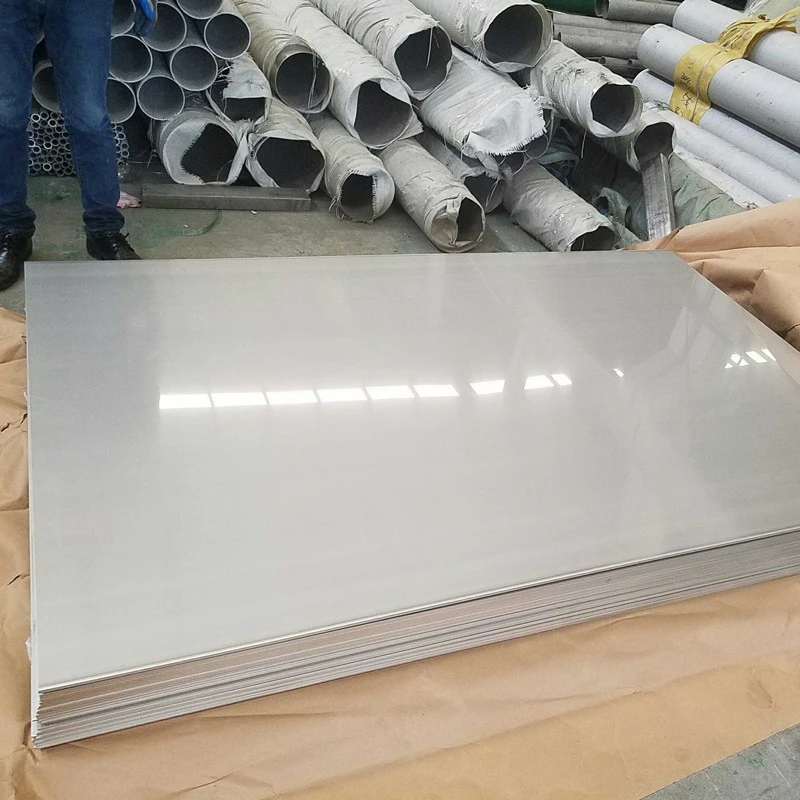
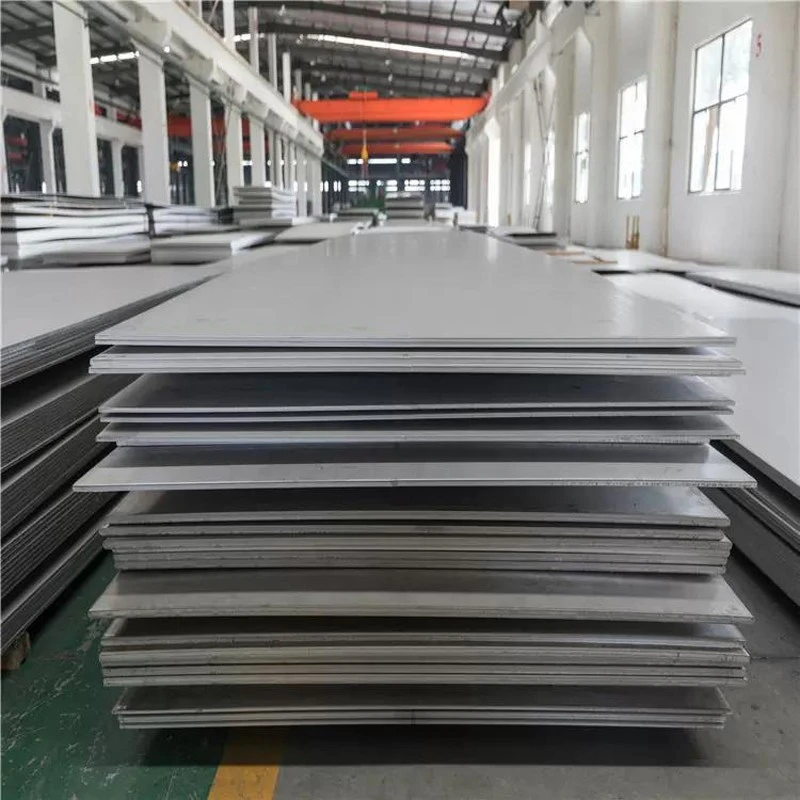
As a supplier of 430 Stainless Steel Sheet, I'm well - aware of the importance of flatness. We have strict quality control measures in place to ensure that our sheets meet the required flatness standards. Our manufacturing process is designed to minimize any factors that could affect flatness. We use advanced equipment and techniques to monitor and adjust the flatness during production.
We also offer different levels of flatness options based on our customers' needs. Whether you need sheets for a general - purpose application or a high - precision project, we can provide the right product. Our team of experts can also advise you on the best flatness specifications for your specific application.
If you're in need of high - quality 430 stainless steel sheets with the right flatness for your project, don't hesitate to reach out. We're here to help you with your procurement and answer any questions you may have. Whether it's understanding the flatness requirements, choosing the right grade, or getting a competitive quote, we've got you covered. Let's start a conversation and see how we can meet your stainless steel sheet needs.
References
- ASME Standards for Stainless Steel Sheets
- ASTM Specifications for Stainless Steel Flatness Measurement
- Industry guidelines for the use of different stainless steel grades