

When it comes to selecting carbon steel rods, there are numerous factors that need to be carefully considered. As a carbon steel rod supplier, I have witnessed firsthand the importance of making informed decisions in this regard. In this blog, I will discuss the key factors that should be taken into account to ensure that you choose the right carbon steel rods for your specific needs.
Chemical Composition
The chemical composition of carbon steel rods is one of the most critical factors to consider. It significantly influences the mechanical properties, corrosion resistance, and weldability of the rods. Carbon steel is primarily composed of iron and carbon, with small amounts of other elements such as manganese, silicon, sulfur, and phosphorus.
Carbon is the most important alloying element in carbon steel, as it determines the hardness and strength of the material. Higher carbon content generally results in increased hardness and strength but reduced ductility and weldability. For applications where high strength is required, such as in construction and machinery, medium to high carbon steel rods may be suitable. On the other hand, low carbon steel rods are more ductile and easier to weld, making them ideal for applications that require forming and bending, such as in automotive parts and electrical conduits.
Manganese is another important element in carbon steel, as it improves the strength and toughness of the material. It also helps to reduce the effects of sulfur, which can cause brittleness in the steel. Silicon is added to improve the strength and hardness of the steel, as well as its resistance to oxidation. Sulfur and phosphorus are impurities that can have a negative impact on the mechanical properties of the steel, so their content should be kept as low as possible.
Mechanical Properties
The mechanical properties of carbon steel rods, such as strength, hardness, ductility, and toughness, are crucial for determining their suitability for different applications. These properties are influenced by the chemical composition, heat treatment, and manufacturing process of the rods.
Strength is a measure of the ability of the steel to resist deformation under load. It is typically expressed in terms of yield strength and tensile strength. Yield strength is the stress at which the steel begins to deform plastically, while tensile strength is the maximum stress that the steel can withstand before breaking. High strength carbon steel rods are often used in applications where heavy loads need to be supported, such as in bridges and buildings.
Hardness is a measure of the resistance of the steel to indentation or scratching. It is an important property for applications where wear resistance is required, such as in cutting tools and bearings. Hardness can be increased by increasing the carbon content of the steel or by subjecting it to heat treatment.
Ductility is a measure of the ability of the steel to deform plastically before breaking. It is an important property for applications where the steel needs to be formed or bent, such as in automotive parts and sheet metal fabrication. Ductility can be improved by reducing the carbon content of the steel or by subjecting it to heat treatment.
Toughness is a measure of the ability of the steel to absorb energy before breaking. It is an important property for applications where the steel may be subjected to impact loads, such as in machinery and construction equipment. Toughness can be improved by increasing the manganese content of the steel or by subjecting it to heat treatment.
Size and Shape
The size and shape of carbon steel rods are also important factors to consider. The diameter, length, and cross-sectional shape of the rods can vary depending on the specific application.
The diameter of the rods is typically specified in millimeters or inches. The choice of diameter will depend on the load requirements and the space available for the rods. Larger diameter rods are generally stronger and can support heavier loads, but they may also be more difficult to handle and install.
The length of the rods can also vary depending on the application. Standard lengths for carbon steel rods are typically between 3 and 6 meters, but custom lengths can also be produced. The choice of length will depend on the specific requirements of the project and the availability of transportation and handling equipment.
The cross-sectional shape of the rods can also vary, with the most common shapes being round, square, and rectangular. The choice of shape will depend on the specific application and the manufacturing process. Round rods are the most common and are often used in applications where a smooth surface finish is required, such as in shafts and axles. Square and rectangular rods are often used in applications where a flat surface is required, such as in construction and machinery.
Surface Finish
The surface finish of carbon steel rods can have a significant impact on their performance and appearance. A smooth surface finish can reduce friction and wear, while a rough surface finish can increase the risk of corrosion and damage.
There are several different types of surface finishes available for carbon steel rods, including hot-rolled, cold-rolled, and polished. Hot-rolled rods have a rough surface finish and are typically less expensive than cold-rolled or polished rods. Cold-rolled rods have a smoother surface finish and are more precise in terms of dimensions, but they are also more expensive. Polished rods have the smoothest surface finish and are often used in applications where a high level of aesthetics is required, such as in decorative applications.
Corrosion Resistance
Corrosion resistance is an important factor to consider when selecting carbon steel rods, especially for applications where the rods will be exposed to moisture or other corrosive environments. Carbon steel is prone to corrosion, so it is important to take steps to protect the rods from rust and other forms of corrosion.
One way to improve the corrosion resistance of carbon steel rods is to apply a protective coating, such as paint, galvanizing, or powder coating. These coatings can provide a barrier between the steel and the environment, preventing moisture and other corrosive substances from coming into contact with the steel. Another way to improve the corrosion resistance of carbon steel rods is to use a corrosion-resistant alloy, such as stainless steel or weathering steel.
Cost
Cost is always an important factor to consider when selecting carbon steel rods. The cost of the rods will depend on several factors, including the chemical composition, mechanical properties, size and shape, surface finish, and corrosion resistance.
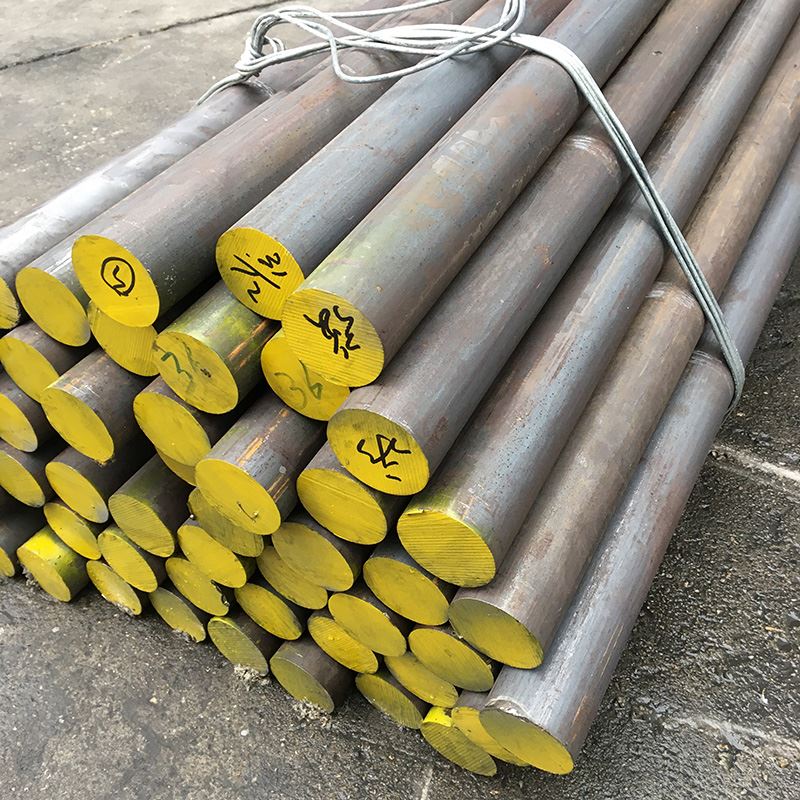
In general, high strength carbon steel rods with a smooth surface finish and good corrosion resistance will be more expensive than low strength carbon steel rods with a rough surface finish and poor corrosion resistance. However, it is important to remember that the cost of the rods is not the only factor to consider. You also need to consider the performance and durability of the rods, as well as the long-term cost of maintenance and replacement.
Conclusion
In conclusion, selecting the right carbon steel rods requires careful consideration of several factors, including chemical composition, mechanical properties, size and shape, surface finish, corrosion resistance, and cost. As a carbon steel rod supplier, I can help you choose the right rods for your specific needs. If you have any questions or need further information, please do not hesitate to contact me. We are always happy to assist you in making the best decision for your project.
If you are interested in learning more about our Carbon Steel Rods, please feel free to reach out to us. Our team of experts is ready to discuss your specific requirements and provide you with a customized solution. Whether you are in the construction, manufacturing, or any other industry, we have the right carbon steel rods for you. Let's start a conversation and explore how our products can meet your needs.
References
- "Metallurgy of Carbon Steels" by ASM International
- "Mechanical Properties of Engineering Materials" by John E. Shigley and Charles R. Mischke
- "Corrosion Resistance of Metals and Alloys" by L. L. Shreir, R. A. Jarman, and G. T. Burstein