

How long is the service life of stainless steel profiles?
As a dedicated supplier of stainless steel profiles, I've encountered numerous inquiries regarding the service life of these versatile materials. Stainless steel profiles are renowned for their durability, corrosion resistance, and aesthetic appeal, making them a popular choice for a wide range of applications across various industries. In this blog post, I'll delve into the factors that influence the service life of stainless steel profiles and provide insights to help you make informed decisions for your projects.
Understanding the Basics of Stainless Steel
Stainless steel is an alloy primarily composed of iron, with a minimum of 10.5% chromium content. The addition of chromium forms a thin, protective oxide layer on the surface of the steel, known as the passive film. This passive film acts as a barrier, preventing oxygen and moisture from reaching the underlying metal, thereby protecting it from corrosion. Other alloying elements, such as nickel, molybdenum, and titanium, may also be added to enhance specific properties, such as corrosion resistance, strength, and formability.
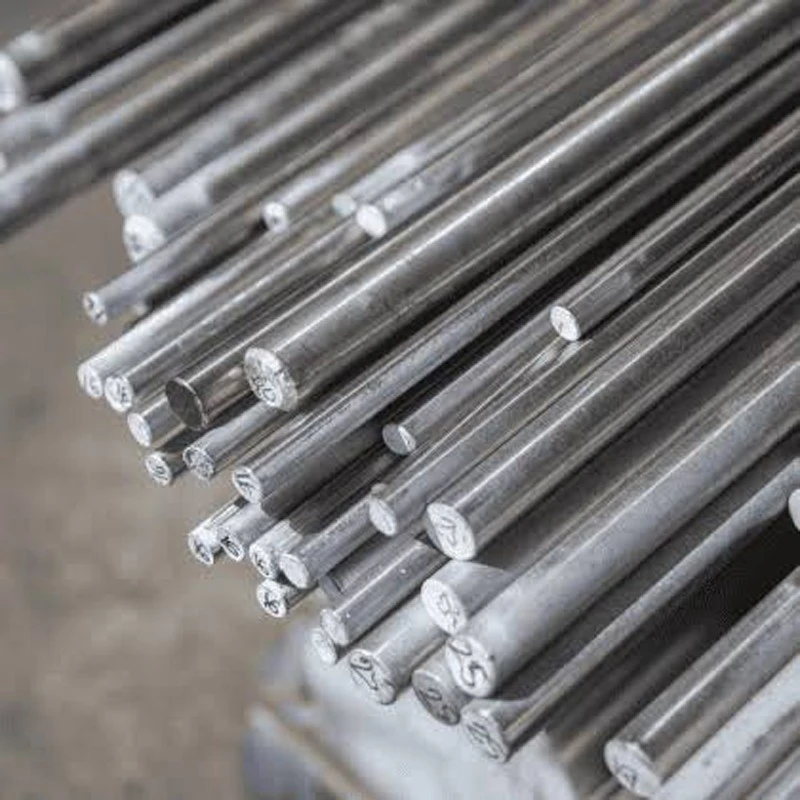
There are several different grades of stainless steel, each with its own unique composition and properties. Some of the most common grades used in the production of stainless steel profiles include 304L, 316L, 310S, 321, and 316. Each grade is suitable for different applications, depending on the specific requirements of the project. For example, 304L Stainless Steel Rod is a general-purpose grade that offers good corrosion resistance and is widely used in a variety of applications, including architectural, food processing, and chemical industries. 316L Stainless Steel Rod, on the other hand, contains molybdenum, which enhances its resistance to pitting and crevice corrosion in chloride environments, making it ideal for use in marine and coastal applications.
Factors Affecting the Service Life of Stainless Steel Profiles
The service life of stainless steel profiles can vary significantly depending on a number of factors, including the grade of stainless steel, the environment in which it is used, and the maintenance practices employed. Here are some of the key factors that can influence the service life of stainless steel profiles:
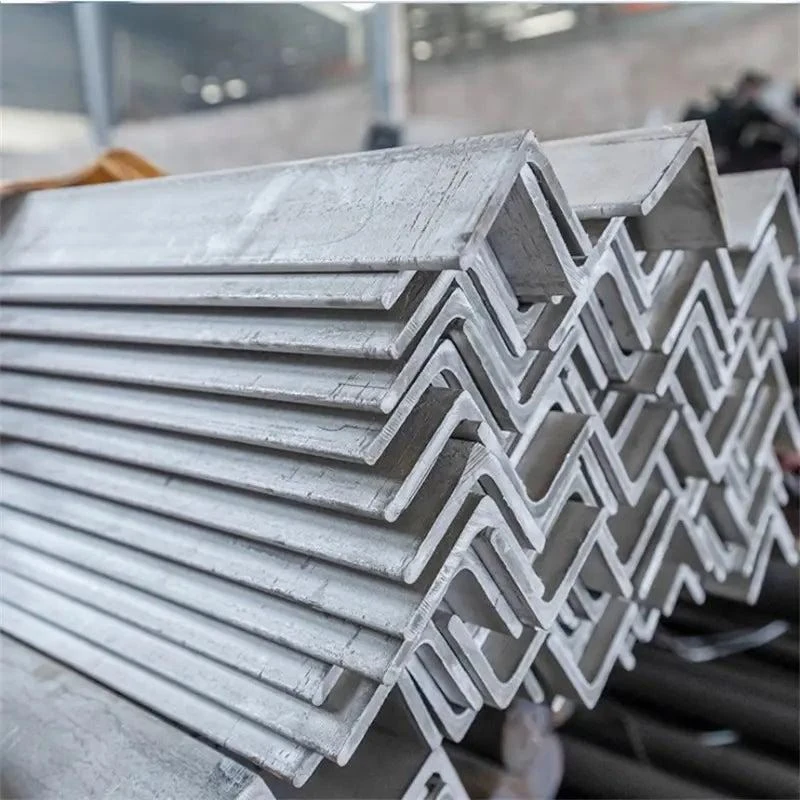
- Grade of Stainless Steel: The grade of stainless steel is one of the most important factors that determine its service life. Different grades of stainless steel have different levels of corrosion resistance, strength, and other properties, which can affect their performance in different environments. For example, 310S Stainless Steel Bar/Rod has excellent high-temperature resistance and is suitable for use in applications where the steel will be exposed to elevated temperatures, such as in furnaces and heat exchangers. In contrast, 316 Stainless Steel Profiles/Channel is highly resistant to corrosion in marine and coastal environments, making it a popular choice for use in outdoor structures and equipment.
- Environment: The environment in which the stainless steel profiles are used can have a significant impact on their service life. Stainless steel is generally resistant to corrosion, but it can still be affected by certain environmental factors, such as exposure to chloride ions, acids, alkalis, and high humidity. For example, in marine and coastal environments, stainless steel profiles are exposed to saltwater, which contains high levels of chloride ions. These chloride ions can penetrate the passive film on the surface of the steel and cause pitting and crevice corrosion, which can significantly reduce the service life of the profiles. In industrial environments, stainless steel profiles may be exposed to acids, alkalis, and other chemicals, which can also cause corrosion and damage to the steel.
- Maintenance: Proper maintenance is essential for ensuring the long-term performance and service life of stainless steel profiles. Regular cleaning and inspection can help to remove dirt, debris, and other contaminants from the surface of the steel, which can prevent the formation of corrosion and other damage. In addition, it is important to avoid using abrasive cleaners or tools on the surface of the steel, as this can damage the passive film and reduce its corrosion resistance. If corrosion or other damage is detected, it should be addressed promptly to prevent further deterioration of the steel.
Estimating the Service Life of Stainless Steel Profiles
Estimating the service life of stainless steel profiles can be challenging, as it depends on a number of factors, including the grade of stainless steel, the environment in which it is used, and the maintenance practices employed. However, there are some general guidelines that can be used to estimate the service life of stainless steel profiles in different environments.
In general, stainless steel profiles can have a service life of several decades or more in moderate environments, such as indoor or outdoor applications where the steel is not exposed to extreme conditions. For example, in a typical architectural application, such as a building facade or a handrail, stainless steel profiles can have a service life of 20 to 50 years or more, depending on the grade of stainless steel and the maintenance practices employed.
In more severe environments, such as marine and coastal applications or industrial environments where the steel is exposed to high levels of corrosion, the service life of stainless steel profiles may be shorter. In these environments, it is important to select a grade of stainless steel that is suitable for the specific conditions and to implement proper maintenance practices to ensure the long-term performance and service life of the profiles.
Conclusion
In conclusion, the service life of stainless steel profiles can vary significantly depending on a number of factors, including the grade of stainless steel, the environment in which it is used, and the maintenance practices employed. As a supplier of stainless steel profiles, I understand the importance of providing high-quality products that meet the specific needs of my customers. By selecting the appropriate grade of stainless steel and implementing proper maintenance practices, you can ensure the long-term performance and service life of your stainless steel profiles.
If you have any questions or need further information about the service life of stainless steel profiles or if you are interested in purchasing stainless steel profiles for your project, please feel free to contact me. I would be happy to assist you and provide you with the information and support you need to make informed decisions for your project.
References
- ASM Handbook, Volume 13A: Corrosion: Fundamentals, Testing, and Protection. ASM International, 2003.
- Stainless Steel World Handbook. Elsevier, 2019.
- Corrosion Resistance of Stainless Steels. NACE International, 2003.