

When it comes to the medical field, the choice of materials is of paramount importance due to the strict requirements of safety, hygiene, and performance. One material that often comes under consideration is 304 stainless steel coil. As a supplier of 304 Stainless Steel Coil, I will delve into the particulars of whether this material can be effectively used in the medical field.
Properties of 304 Stainless Steel Coil
304 stainless steel is a widely used austenitic stainless steel. It contains approximately 18% chromium and 8% nickel, which endows it with several notable properties.
First and foremost, 304 stainless steel has excellent corrosion - resistance. The chromium in the alloy forms a passive oxide layer on the surface of the steel, protecting it from oxidation and corrosion in various environments. This is crucial in the medical field, where equipment may be exposed to various chemicals, such as disinfectants and body fluids. For example, in a hospital setting, medical instruments need to be regularly cleaned and disinfected. A material with poor corrosion - resistance would quickly deteriorate, leading to potential safety hazards and a shorter service life.
In addition, 304 stainless steel has good formability. It can be easily cold - worked and hot - worked, which means it can be fabricated into a wide range of shapes and sizes. This is beneficial for the manufacturing of medical devices with complex geometries. Whether it is a simple surgical tool or a more elaborate medical equipment component, 304 stainless steel coil can be processed to meet the specific requirements of the design.
Another advantage is its mechanical strength. 304 stainless steel provides a good balance between strength and ductility. It can withstand a certain amount of stress and deformation without breaking or compromising its structure. This is important for medical devices that may be subjected to physical forces during normal use, such as surgical forceps that need to be able to grip and manipulate tissues without bending or breaking easily.
Applications in the Medical Field
Surgical Instruments
One of the potential applications of 304 stainless steel coil in the medical field is the production of surgical instruments. Many basic surgical tools, such as scalpels, forceps, and scissors, can be made from 304 stainless steel. The corrosion - resistance property ensures that these instruments can be sterilized repeatedly without rusting or corroding, which is essential for preventing the spread of infections. The formability allows manufacturers to create precise cutting edges and ergonomic handles, enhancing the usability of the instruments.
Medical Equipment Frames and Supports
304 stainless steel coil can also be used to fabricate frames and supports for medical equipment. For example, the frames of hospital beds, examination tables, and some diagnostic equipment can be made from this material. The mechanical strength of 304 stainless steel ensures that these frames can support the weight of patients and the equipment itself, while the corrosion - resistance property makes them suitable for long - term use in a hospital environment.
Dental Equipment
In the field of dentistry, 304 stainless steel can be used in the production of dental instruments and equipment. Dental handpieces, for instance, may have components made from 304 stainless steel due to its ability to resist corrosion from saliva and dental cleaning agents, as well as its formability for creating small and precise parts.
Limitations in the Medical Field
However, 304 stainless steel coil also has some limitations when it comes to the medical field.
One of the main concerns is its nickel content. Although nickel is an important element for the corrosion - resistance and formability of 304 stainless steel, some people may have nickel allergies. In cases where medical devices come into direct and prolonged contact with the human body, such as implants, the use of 304 stainless steel may not be appropriate. Nickel allergies can cause skin irritation, rashes, and in more severe cases, systemic reactions.
Another limitation is the relatively lower resistance to pitting and crevice corrosion compared to some other stainless steel grades in certain aggressive environments. In environments with high chloride concentrations, such as in some saline solutions used in medical procedures, 304 stainless steel may be more prone to pitting corrosion. This can compromise the integrity of the material and potentially release metal particles into the surrounding environment, which is a safety concern in the medical field.
Comparison with Other Stainless Steel Grades
When considering the use of 304 stainless steel coil in the medical field, it is also useful to compare it with other stainless steel grades.
410S Stainless Steel Coil is a martensitic stainless steel. It has relatively good corrosion resistance but lower formability compared to 304 stainless steel. It is more commonly used in applications where high strength and hardness are required, such as in some cutting tools. However, its corrosion resistance in certain medical - relevant environments may not be as good as 304 stainless steel, especially in the presence of moisture and chemicals.
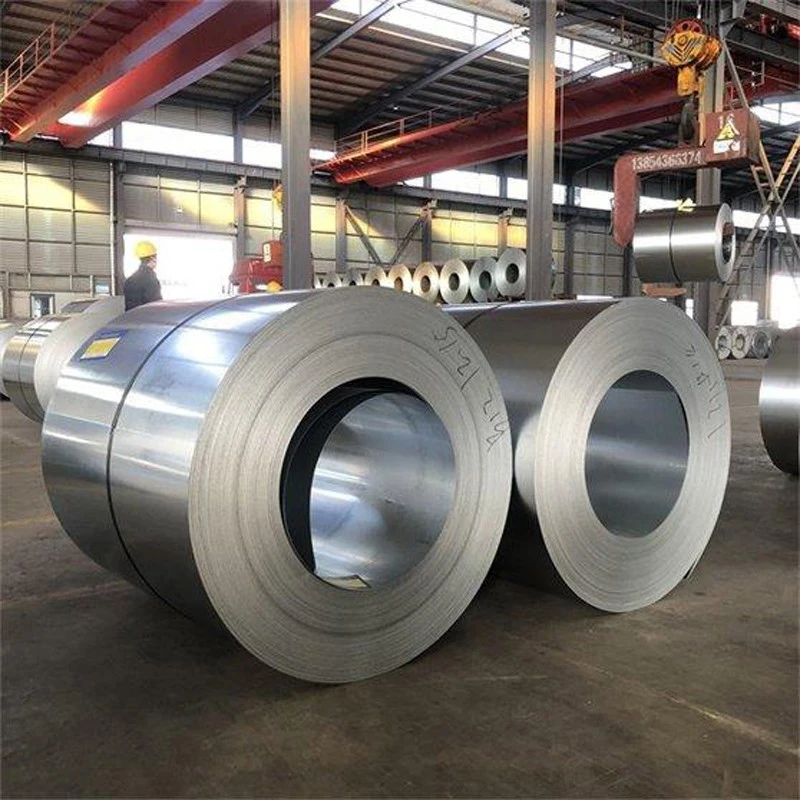
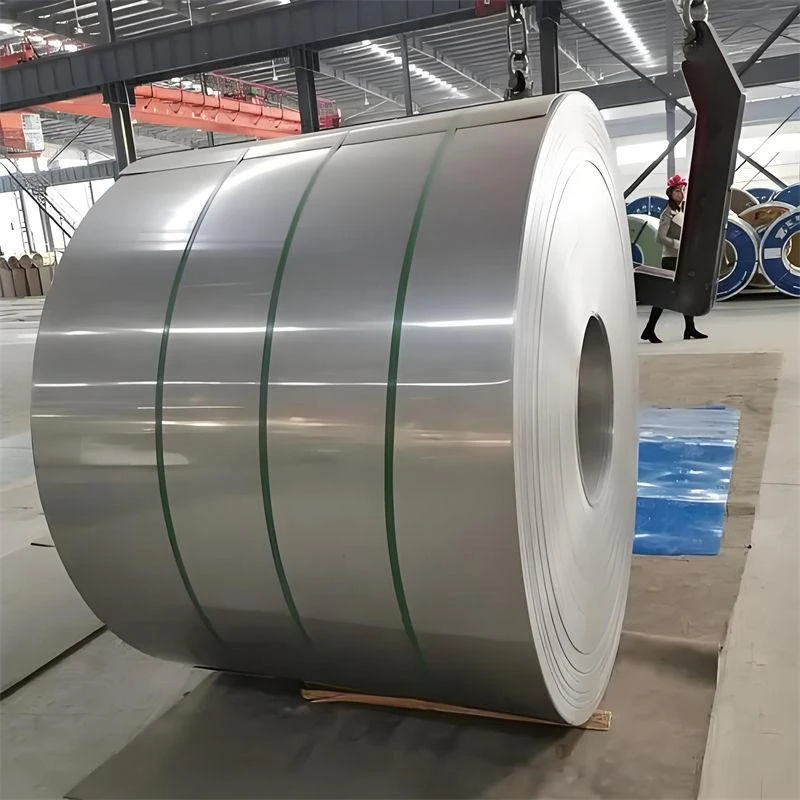
201 Stainless Steel Coil is a more economical option. It has a lower nickel content compared to 304 stainless steel, which makes it less expensive. However, its corrosion resistance is also inferior, and it may not be suitable for applications where long - term exposure to corrosive substances is expected, such as in medical equipment that needs to be regularly disinfected.
316 Stainless Steel Coil is often considered a better choice for many medical applications. It contains molybdenum, which significantly enhances its resistance to pitting and crevice corrosion, especially in chloride - containing environments. It also has a lower risk of causing nickel allergies compared to 304 stainless steel in some cases. For applications such as medical implants, 316 stainless steel is more commonly used.
309S Stainless Steel Coil has a higher chromium and nickel content than 304 stainless steel, providing better high - temperature resistance and corrosion resistance. It is often used in applications where the material needs to withstand high temperatures, such as in some sterilization processes. However, its cost is also relatively higher.
Conclusion
In conclusion, 304 stainless steel coil can be used in certain aspects of the medical field. Its corrosion - resistance, formability, and mechanical strength make it suitable for applications such as surgical instruments, medical equipment frames, and dental tools. However, due to its nickel content and relatively lower resistance to pitting corrosion in some aggressive environments, it may not be suitable for all medical applications, especially those involving long - term direct contact with the human body or exposure to highly corrosive substances.
If you are in the medical industry and are considering the use of stainless steel coils for your products, I encourage you to contact us to discuss your specific requirements. Our team of experts can provide you with detailed information about 304 Stainless Steel Coil and help you make an informed decision. We can also offer customized solutions based on your needs, ensuring that you get the best - suited material for your medical applications.
References
- ASM Handbook Committee. "Stainless Steels." ASM Handbook, Vol. 13A, Corrosion: Fundamentals, Testing, and Protection. ASM International, 2003.
- Callister, William D., and David G. Rethwisch. "Materials Science and Engineering: An Introduction." Wiley, 2016.
- Metals Handbook Committee. "Metals Handbook Desk Edition, Second Edition." ASM International, 1998.