

Hey there! I'm a supplier of carbon steel coil, and I'm super stoked to walk you through the manufacturing process of this awesome product. Carbon steel coil is a versatile material used in a ton of industries, from construction to automotive. So, let's dive right in!
Step 1: Raw Material Preparation
The first step in making carbon steel coil is getting the raw materials ready. The main ingredients are iron ore, coal, and limestone. Iron ore is mined from the earth, and it's usually in the form of hematite or magnetite. Coal is used as a fuel and a reducing agent, while limestone helps to remove impurities during the smelting process.
These raw materials are transported to the steel mill, where they're carefully weighed and mixed in the right proportions. The goal is to create a mixture that has the right amount of iron, carbon, and other elements to produce high-quality carbon steel.
Step 2: Ironmaking
Once the raw materials are prepared, it's time to turn them into iron. This is done in a blast furnace, which is a huge, cylindrical structure that can be up to 100 feet tall. The blast furnace is heated to extremely high temperatures, usually around 2,000 degrees Celsius.
The raw materials are loaded into the top of the blast furnace, and hot air is blown in from the bottom. The coal burns, producing carbon monoxide, which reacts with the iron ore to remove the oxygen and leave behind pure iron. The limestone helps to remove impurities such as sulfur and phosphorus, which can weaken the steel.
The molten iron that is produced in the blast furnace is called pig iron. Pig iron contains a high percentage of carbon, usually around 4%, as well as other impurities. It's a very brittle material and can't be used directly to make carbon steel coil.
Step 3: Steelmaking
The next step is to convert the pig iron into steel. This is done in a basic oxygen furnace (BOF) or an electric arc furnace (EAF). In a BOF, pure oxygen is blown into the molten pig iron, which reacts with the carbon and other impurities to form carbon dioxide and other gases. This process reduces the carbon content of the pig iron to around 0.1% - 2%, depending on the type of steel being produced.
In an EAF, electricity is used to heat the scrap steel and other raw materials until they melt. The molten steel is then refined to remove impurities and adjust the chemical composition. EAFs are often used to recycle scrap steel, which is a more environmentally friendly way to produce steel.
Once the steel has been refined, it's poured into a ladle and transported to the continuous casting machine.
Step 4: Continuous Casting
Continuous casting is a process that turns the molten steel into a solid slab or billet. The molten steel is poured into a water-cooled mold, which gives it the shape of a slab or billet. As the steel cools and solidifies, it is slowly pulled out of the mold by a series of rollers.
Continuous casting is a very efficient way to produce steel, as it eliminates the need for casting individual ingots and then rolling them into slabs or billets. It also produces a more uniform product with fewer defects.
The slabs or billets that are produced by continuous casting are then cut into the appropriate lengths and sent to the rolling mill.
Step 5: Hot Rolling
Hot rolling is the process of shaping the steel into a coil. The slabs or billets are heated to a very high temperature, usually around 1,200 degrees Celsius, and then passed through a series of rolling mills. The rolling mills reduce the thickness of the steel and increase its length, creating a long, thin strip of steel.
As the steel is rolled, it is cooled by water sprays to prevent it from overheating. The final thickness of the steel strip depends on the requirements of the customer.
Once the steel strip has been hot rolled, it is coiled into a large spool, which is called a carbon steel coil. The coil can be up to several tons in weight and can be several hundred meters long.
Step 6: Cold Rolling (Optional)
In some cases, the carbon steel coil may undergo a cold rolling process. Cold rolling is similar to hot rolling, but it is done at a lower temperature, usually around room temperature. Cold rolling produces a smoother surface finish and a more precise thickness than hot rolling.
Cold rolling also increases the strength and hardness of the steel. However, it also makes the steel more brittle, so it may need to be annealed to relieve the internal stresses.
Step 7: Surface Treatment
After the carbon steel coil has been rolled, it may undergo a surface treatment to protect it from corrosion and improve its appearance. Common surface treatments include galvanizing, painting, and oiling.
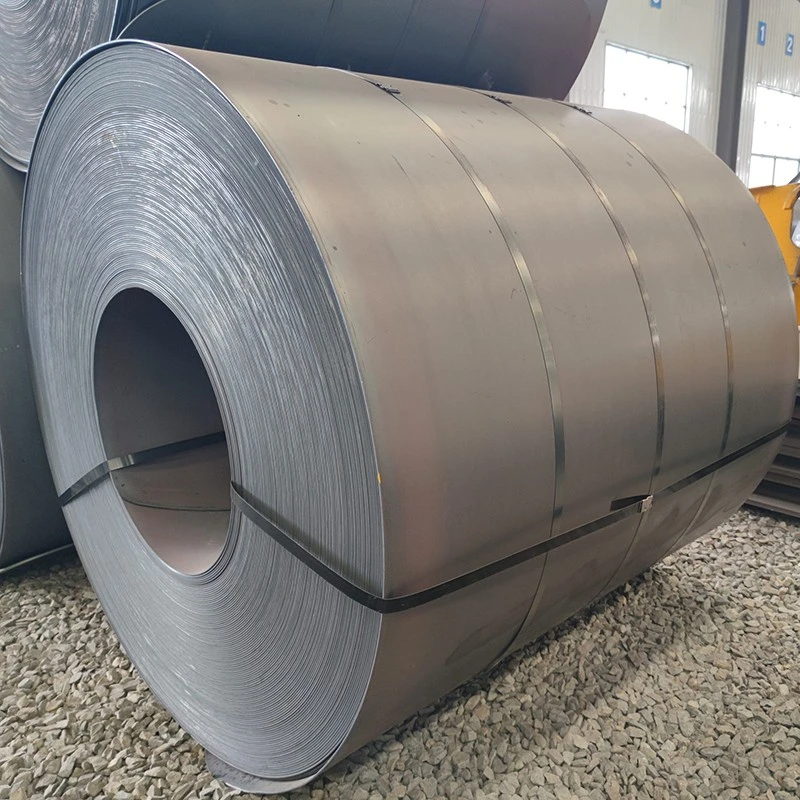
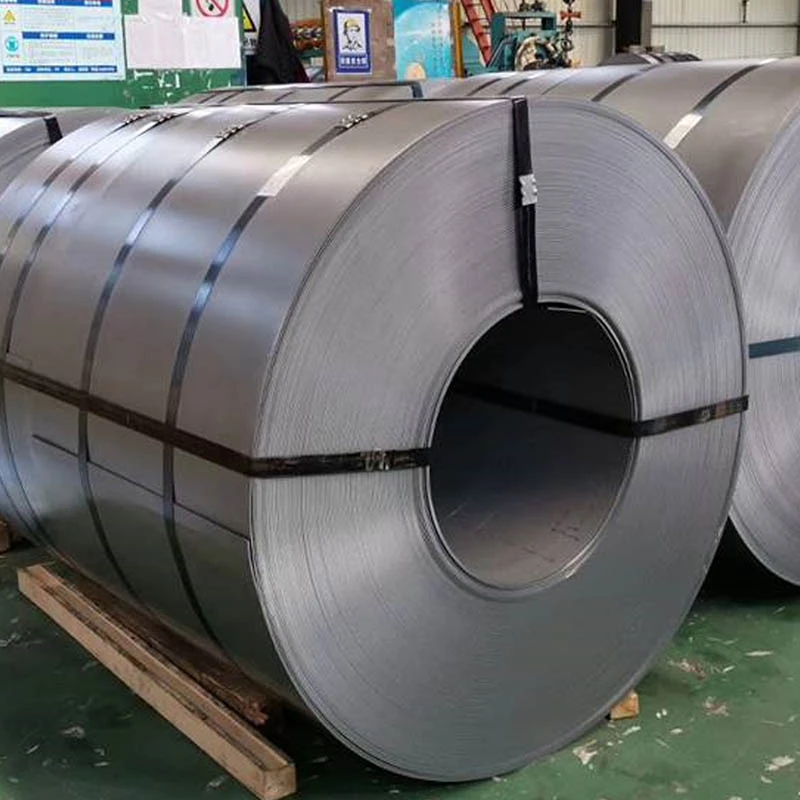
Galvanizing is the process of coating the steel with a layer of zinc. Zinc is a very corrosion-resistant metal, and it helps to protect the steel from rust and other forms of corrosion. Painting is another common surface treatment, which can be used to improve the appearance of the steel and provide additional protection against corrosion. Oiling is a simple surface treatment that can be used to prevent the steel from rusting during storage and transportation.
Different Types of Carbon Steel Coil
There are several different types of carbon steel coil available, each with its own unique properties and applications. Here are some of the most common types:
- Q195 Carbon Steel Coil: This is a low-carbon steel with good plasticity and toughness. It's often used in general structural applications, such as building frames and bridges.
- Q215 Carbon Steel Coil: This is also a low-carbon steel, but it has slightly higher strength than Q195. It's commonly used in the manufacture of pipes, wire, and other products.
- Q235B Carbon Steel Coil: This is a medium-carbon steel with good strength and weldability. It's widely used in construction, machinery, and automotive industries.
- Q275 Carbon Steel Coil: This is a high-carbon steel with high strength and hardness. It's often used in the manufacture of tools, springs, and other high-stress components.
- Q345B Carbon Steel Coil: This is a low-alloy high-strength steel with good weldability and toughness. It's commonly used in construction, bridges, and other large-scale projects.
Why Choose Our Carbon Steel Coil?
As a carbon steel coil supplier, we take pride in offering high-quality products at competitive prices. Here are some reasons why you should choose our carbon steel coil:
- Quality Assurance: We have strict quality control measures in place to ensure that our carbon steel coil meets the highest standards. Our products are tested for strength, hardness, and other properties to ensure that they are suitable for your applications.
- Customization: We can customize our carbon steel coil to meet your specific requirements. Whether you need a specific thickness, width, or surface treatment, we can work with you to create the perfect product.
- Fast Delivery: We understand that time is of the essence in your business. That's why we offer fast delivery times to ensure that you get your carbon steel coil when you need it.
- Excellent Customer Service: Our team of experts is always available to answer your questions and provide you with the support you need. We're committed to providing you with the best possible customer service.
Contact Us for Procurement
If you're interested in purchasing carbon steel coil, we'd love to hear from you. Whether you have questions about our products, need a quote, or want to discuss your specific requirements, we're here to help. Just reach out to us, and we'll work with you to find the perfect solution for your business.
References
- Smith, J. (2020). Steel Manufacturing Processes. Industrial Press.
- Jones, A. (2019). The Basics of Carbon Steel. Wiley.