

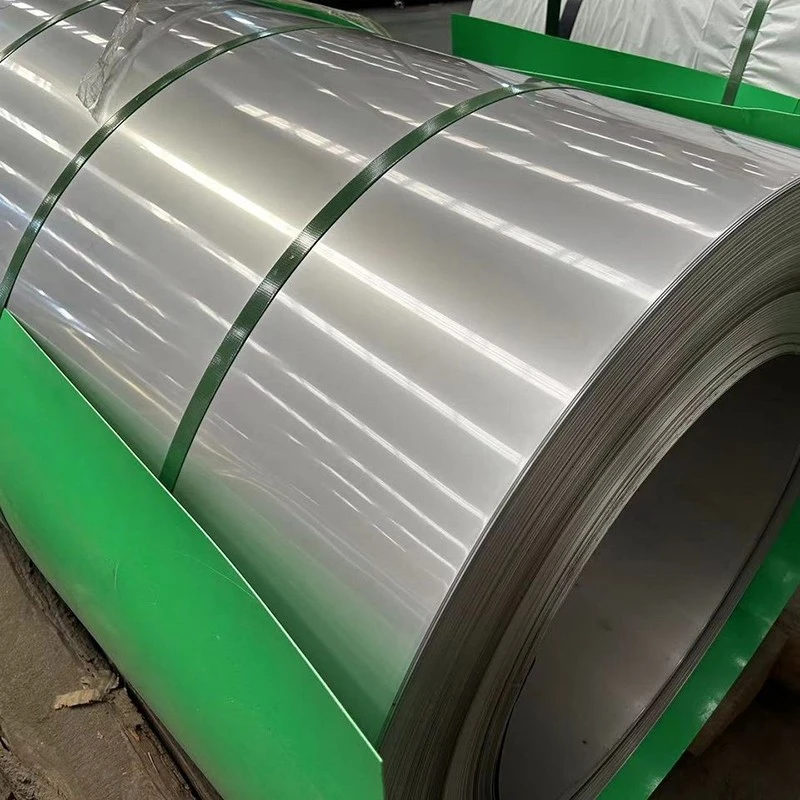
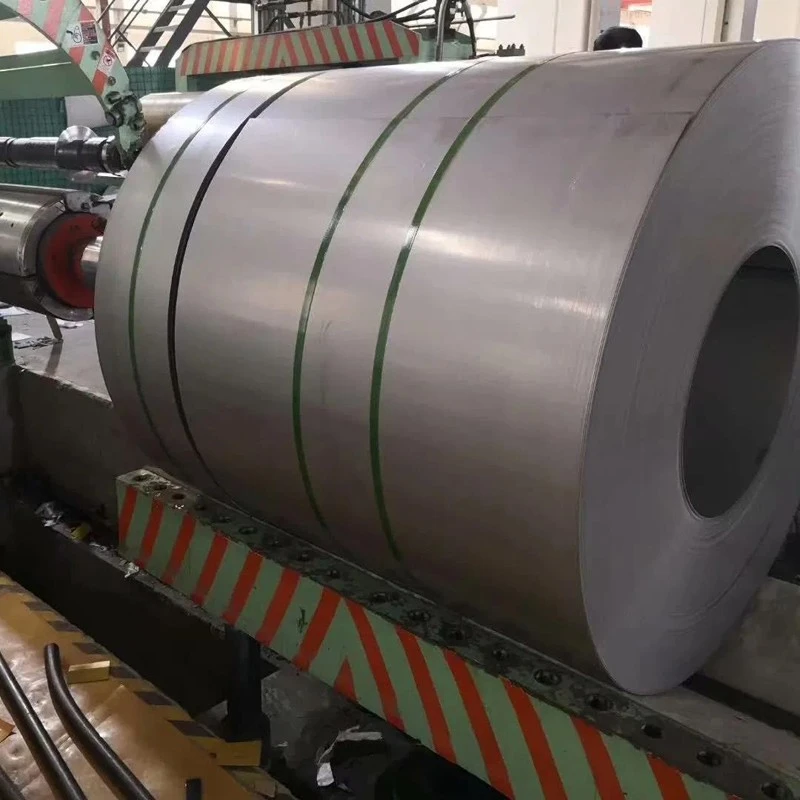
Yo, what's up guys? As a 304 Stainless Steel Coil supplier, I get asked a ton about the aging resistance of 304 stainless steel coil. So, I thought I'd put together this blog to break it down for you.
What is 304 Stainless Steel Coil?
First off, let's chat a bit about what 304 stainless steel coil is. 304 stainless steel is one of the most common types of stainless steel out there. It's an austenitic stainless steel, which basically means it has a face - centered cubic crystal structure. This structure gives it a bunch of cool properties, like being non - magnetic and having good formability.
The main alloying elements in 304 stainless steel are chromium (around 18 - 20%) and nickel (around 8 - 10.5%). The chromium is super important because it forms a thin, invisible, and protective oxide layer on the surface of the steel when it's exposed to oxygen. This layer is called a passive film, and it's what gives stainless steel its corrosion resistance.
Understanding Aging Resistance
Now, let's dig into aging resistance. Aging in the context of metals is all about the changes that happen to a material over time. These changes can be due to things like exposure to different environments, high temperatures, and mechanical stress.
When we talk about the aging resistance of 304 stainless steel coil, we're mainly concerned with how well it can withstand degradation and maintain its properties over a long period. This includes resistance to things like corrosion, oxidation, and changes in mechanical properties.
Corrosion Resistance
One of the key aspects of aging resistance is corrosion resistance. 304 stainless steel coil is known for its pretty good corrosion resistance in a variety of environments. The passive film formed by chromium plays a huge role here. As long as this film remains intact, it acts as a barrier between the steel and the surrounding environment, preventing corrosive agents from attacking the metal.
For example, in a normal atmosphere with low levels of pollutants, 304 stainless steel coil can last for a really long time without significant corrosion. It can also handle mild chemical environments, like ones with low concentrations of acids or alkalis. However, in more aggressive environments, such as those with high levels of chloride ions (like in seawater), the passive film can break down. Chloride ions can penetrate the film and cause pitting corrosion, which can be a big problem for long - term durability.
Oxidation Resistance
Oxidation is another form of aging that 304 stainless steel coil needs to deal with. When exposed to high temperatures, the steel can react with oxygen in the air to form oxides. This can lead to a loss of the shiny appearance and, in some cases, a decrease in mechanical properties.
304 stainless steel has a decent oxidation resistance up to a certain temperature. Generally, it can handle temperatures up to around 870°C (1600°F) without significant oxidation. But if the temperature goes higher or if it's exposed to cyclic heating and cooling, the oxidation rate can increase. Over time, this can cause the formation of thicker oxide layers, which might start to flake off and expose fresh metal to further oxidation.
Changes in Mechanical Properties
Over time, the mechanical properties of 304 stainless steel coil can also change. This can be due to factors like creep (slow deformation under constant stress), fatigue (repeated stress cycles), and precipitation hardening.
In high - temperature applications, creep can be a concern. As the steel is subjected to stress at elevated temperatures for a long time, it can slowly deform. This can lead to dimensional changes and a decrease in the load - bearing capacity of the coil.
Fatigue is another issue, especially in applications where the coil is exposed to cyclic loading. Cracks can start to form at stress concentration points, and over time, these cracks can grow and cause the coil to fail.
Precipitation hardening can occur when the steel is heated and cooled in a certain way. This can lead to the formation of second - phase particles within the steel, which can change its hardness and ductility.
How Does it Compare to Other Stainless Steel Coils?
Let's talk about how 304 stainless steel coil stacks up against some other types of stainless steel coils.
- 321 Stainless Steel Coil: 321 stainless steel has titanium added to it. This makes it more resistant to intergranular corrosion, especially in high - temperature applications where carbide precipitation can be an issue. So, if you need a coil for a high - heat environment with a risk of grain - boundary attacks, 321 might be a better choice.
- 202 Stainless Steel Coil: 202 stainless steel is a more affordable option compared to 304. But it has lower nickel and chromium content. This means it generally has lower corrosion resistance than 304. If you're working in a less corrosive environment and cost is a big factor, 202 could be considered.
- 409 Stainless Steel Coil: 409 is a ferritic stainless steel. It's often used in automotive exhaust systems because it has good oxidation resistance at high temperatures. However, it's not as corrosion - resistant as 304 in general, especially in wet environments.
- 444 Stainless Steel Coil: 444 is a ferritic stainless steel with higher levels of molybdenum. This gives it better pitting and crevice corrosion resistance compared to 304, especially in chloride - containing environments.
- 304L Stainless Steel Coil: 304L is a low - carbon version of 304. It's more resistant to intergranular corrosion after welding because there's less carbon available to form chromium carbides at the grain boundaries.
Factors Affecting the Aging Resistance of 304 Stainless Steel Coil
There are several factors that can affect how well 304 stainless steel coil resists aging:
- Surface Finish: A smooth surface finish can help maintain the integrity of the passive film. Rough surfaces are more likely to trap corrosive agents and cause local breakdown of the film.
- Heat Treatment: Improper heat treatment can lead to issues like carbide precipitation, which can reduce the corrosion resistance of the steel.
- Environmental Conditions: As I mentioned before, exposure to aggressive environments, high temperatures, and cyclic stress can all accelerate the aging process.
Maintaining and Improving Aging Resistance
If you're using 304 stainless steel coil, there are some things you can do to maintain and improve its aging resistance.
First, keep the surface clean. Regularly cleaning the coil can remove dirt, debris, and corrosive substances that might damage the passive film.
Second, if you're welding 304 stainless steel coil, make sure to use proper welding techniques. Post - weld heat treatment might be necessary in some cases to restore the corrosion resistance.
Finally, choose the right surface finish for your application. A brushed or polished finish can not only look good but also help with corrosion resistance.
Wrapping Up and Let's Chat
So, that's a pretty comprehensive look at the aging resistance of 304 stainless steel coil. As a supplier, I've seen firsthand how important it is for different industries to have a reliable and long - lasting material. Whether you're in construction, manufacturing, or any other field that uses stainless steel, understanding the aging resistance of 304 can help you make the right choice.
If you're interested in purchasing 304 stainless steel coil or have any questions about its properties, applications, or aging resistance, don't hesitate to reach out. I'm here to help you find the best solution for your needs.
References
- ASM Handbook Volume 13A: Corrosion: Fundamentals, Testing, and Protection
- Stainless Steel Basics by The Nickel Institute
- "Aging Effects on Stainless Steel Properties" in Journal of Materials Science and Engineering