

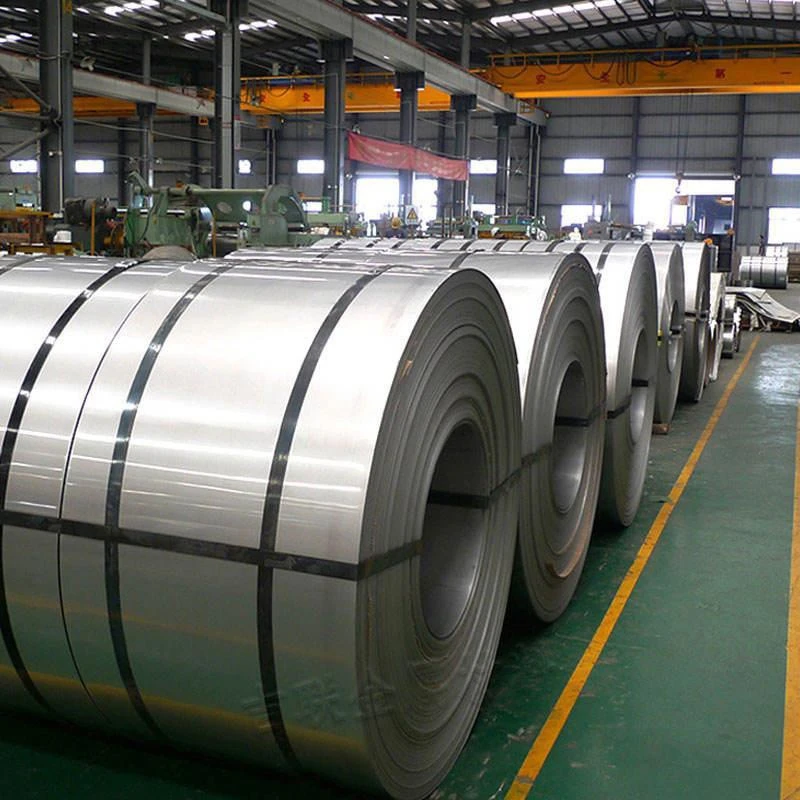
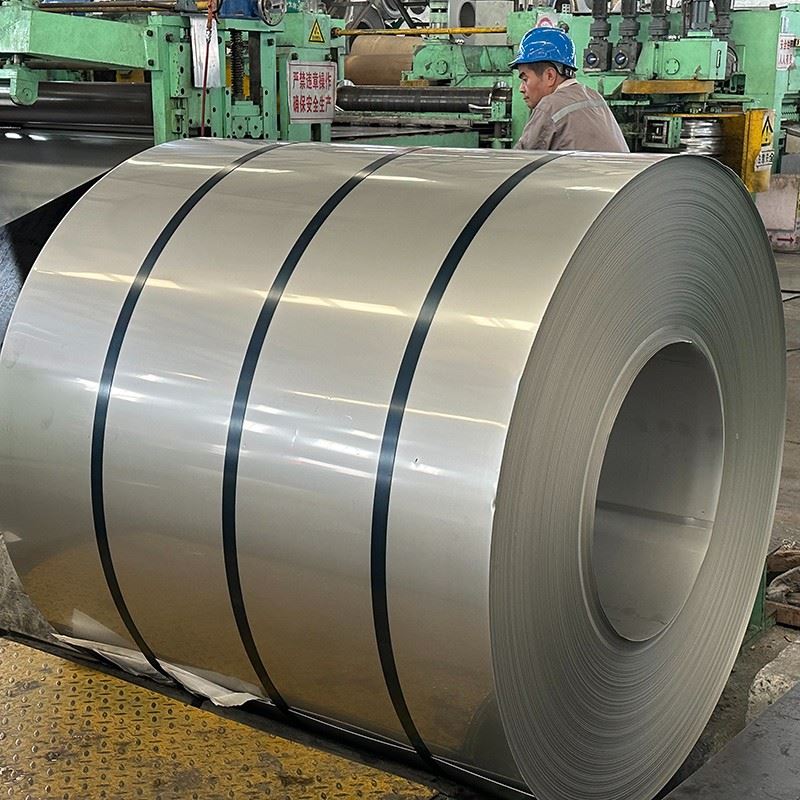
Can 304 stainless steel coil be bent easily? That's a question I get asked a lot as a supplier of 304 Stainless Steel Coil. Let's dig into this topic and find out what's what.
First off, let's talk a bit about 304 stainless steel. It's one of the most commonly used types of stainless steel out there. It's got a good mix of properties that make it popular in a whole bunch of industries. It's corrosion - resistant, which means it can stand up to all kinds of environments without rusting away. This makes it great for things like kitchen equipment, architectural applications, and even some automotive parts. Also, it has a nice balance of strength and ductility, which are two important factors when it comes to bending.
Now, to answer the question of whether it can be bent easily. Well, it depends. There are a few things that influence how easily you can bend 304 stainless steel coil.
One of the main factors is the thickness of the coil. Generally speaking, the thinner the coil, the easier it is to bend. A thin 304 stainless steel coil can be bent with relatively simple tools, like a hand brake or a small bending machine. For instance, if you're working with a coil that's around 0.5mm thick, you can usually shape it into curves or angles with a bit of elbow grease. But as the thickness increases, things get a bit more challenging. A thick 304 stainless steel coil, say 3mm or more, will require more powerful machinery, like a hydraulic press brake, to bend it into the desired shape.
Another factor is the alloy composition. Although 304 stainless steel has a standard composition, there can be slight variations in the amounts of elements like chromium and nickel. These variations can affect the mechanical properties of the steel. A higher nickel content, for example, can make the steel more ductile, which means it's easier to bend without cracking.
The temperature also plays a role. Bending 304 stainless steel at room temperature is possible for many applications, but for more complex bends or thicker coils, pre - heating the steel can make the process much easier. Heating the steel reduces its yield strength and increases its ductility, allowing it to be bent more smoothly.
When we compare 304 stainless steel coil with other types of stainless steel coils, it has its own advantages and disadvantages in terms of bendability. For example, compared to the 201 Stainless Steel Coil, 304 is generally more corrosion - resistant but may be a bit harder to bend in some cases. The 201 stainless steel has a lower nickel content, which makes it less expensive but also less ductile than 304 in some situations.
On the other hand, the 321 Stainless Steel Coil contains titanium, which gives it better resistance to sensitization at high temperatures. This can affect its bendability. In some cases, the 321 stainless steel may be a bit more difficult to bend compared to 304 due to the presence of titanium.
The 410S Stainless Steel Coil is a martensitic stainless steel. It's known for its hardness and strength, which means it's generally more difficult to bend compared to the austenitic 304 stainless steel. The 410S may require more force and specialized bending techniques.
The 2205 Stainless Steel Coil is a duplex stainless steel, which combines the properties of both austenitic and ferritic stainless steels. It has high strength and good corrosion resistance, but its bendability can be more complicated compared to 304. It needs to be bent carefully to avoid issues like cracking or uneven deformation.
The 309S Stainless Steel Coil has a higher chromium and nickel content, which gives it better heat resistance. However, this also means that it can be a bit stiffer than 304, and bending it may require more powerful equipment.
So, in conclusion, 304 stainless steel coil can be bent, but whether it's easy or not depends on the thickness, alloy composition, temperature, and the specific bending requirements. For simple bends and thinner coils, it's relatively straightforward. But for more complex shapes and thicker materials, you'll need the right tools and knowledge.
If you're in the market for 304 stainless steel coil and want to know more about its bendability for your specific project, or if you're interested in any of the other stainless steel coils I've mentioned, feel free to get in touch. We can have a chat about your requirements and figure out the best solution for you. Whether you're a small - scale fabricator or a large - scale industrial client, we're here to help you get the right stainless steel coil for your needs. Reach out and let's start a conversation about how we can assist you with your procurement.
References
- ASM Handbook Volume 1: Properties and Selection: Irons, Steels, and High - Performance Alloys
- Stainless Steel World Magazine: Various articles on stainless steel properties and applications